Standalone concept demo · Croatia in the story of medicine · a heritage chapter for /about. Every date and sentence is source-verified. Scroll to walk the museum.
Heritage
Croatia in the story of science and medicine

CROATIA in the story of science and medicine

Between the mountains and the sea, a small country kept changing how the world heals and thinks. Walk the line it drew.

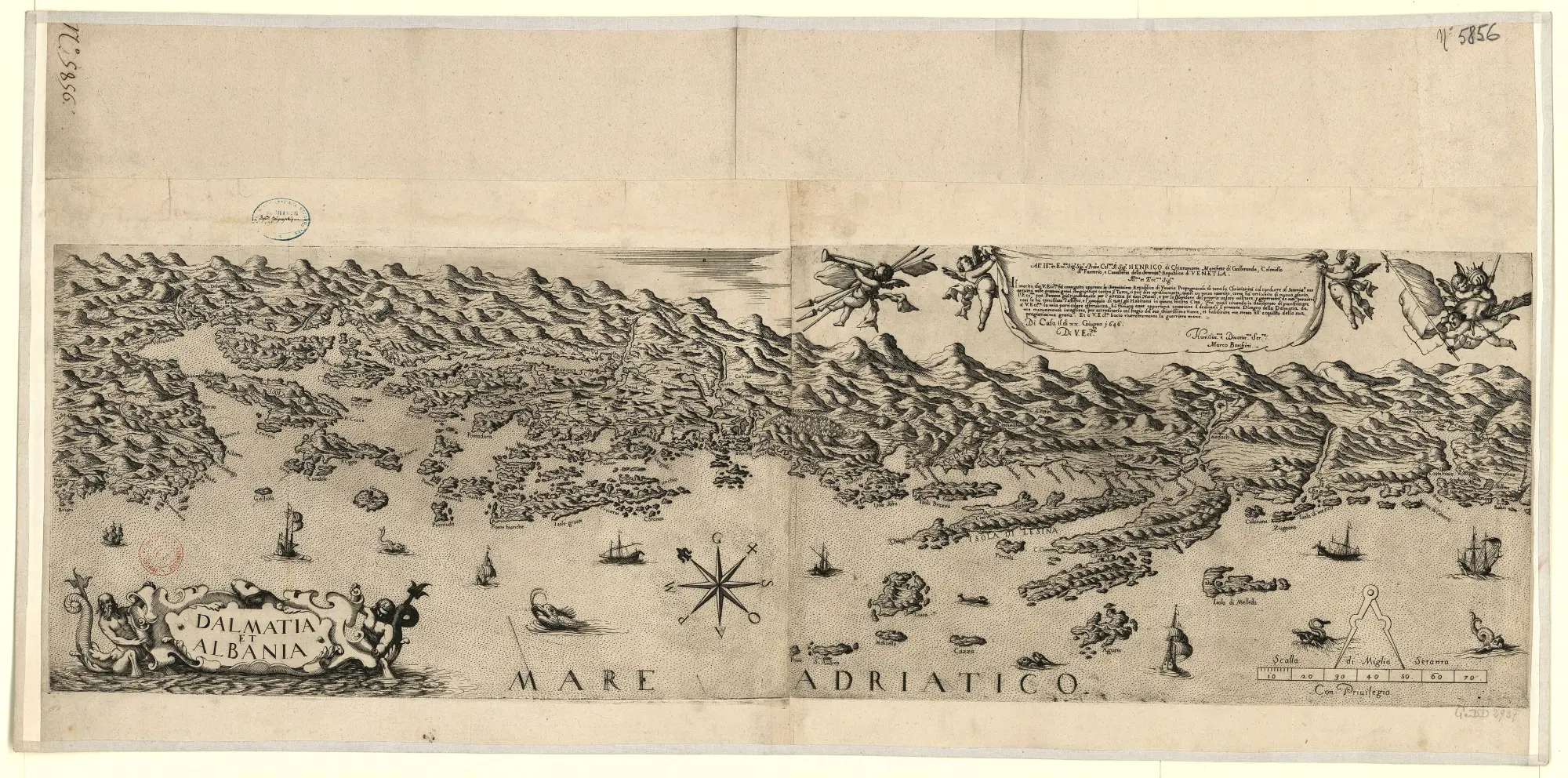
Begin the walk Dalmatia et Albania · Marco Boschini, c. 1660
Croatia

Croatia is beautiful naturally — but it also contributed substantially to world science and medicine.

Let’s take a walk — we’ll show you why.
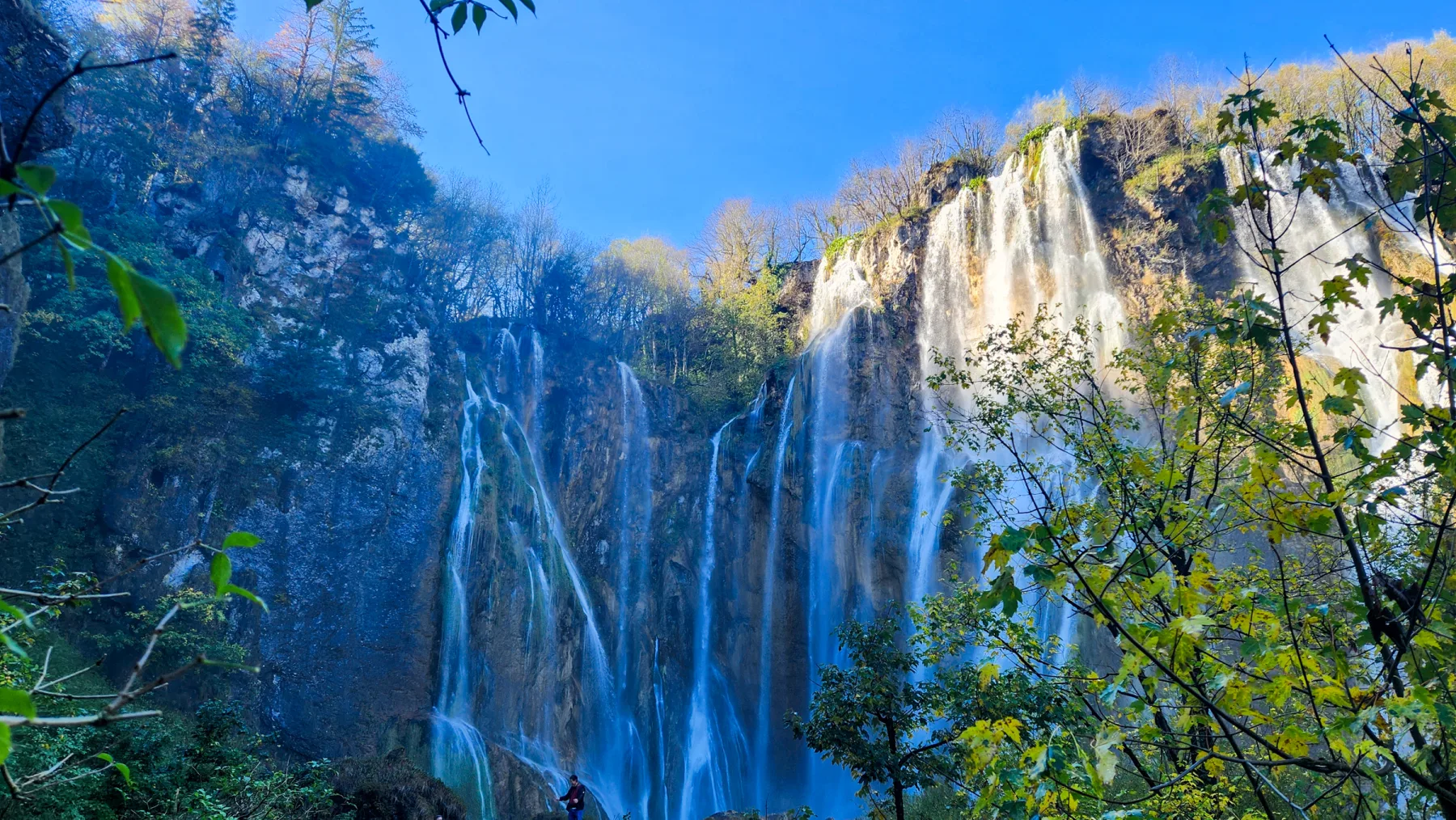
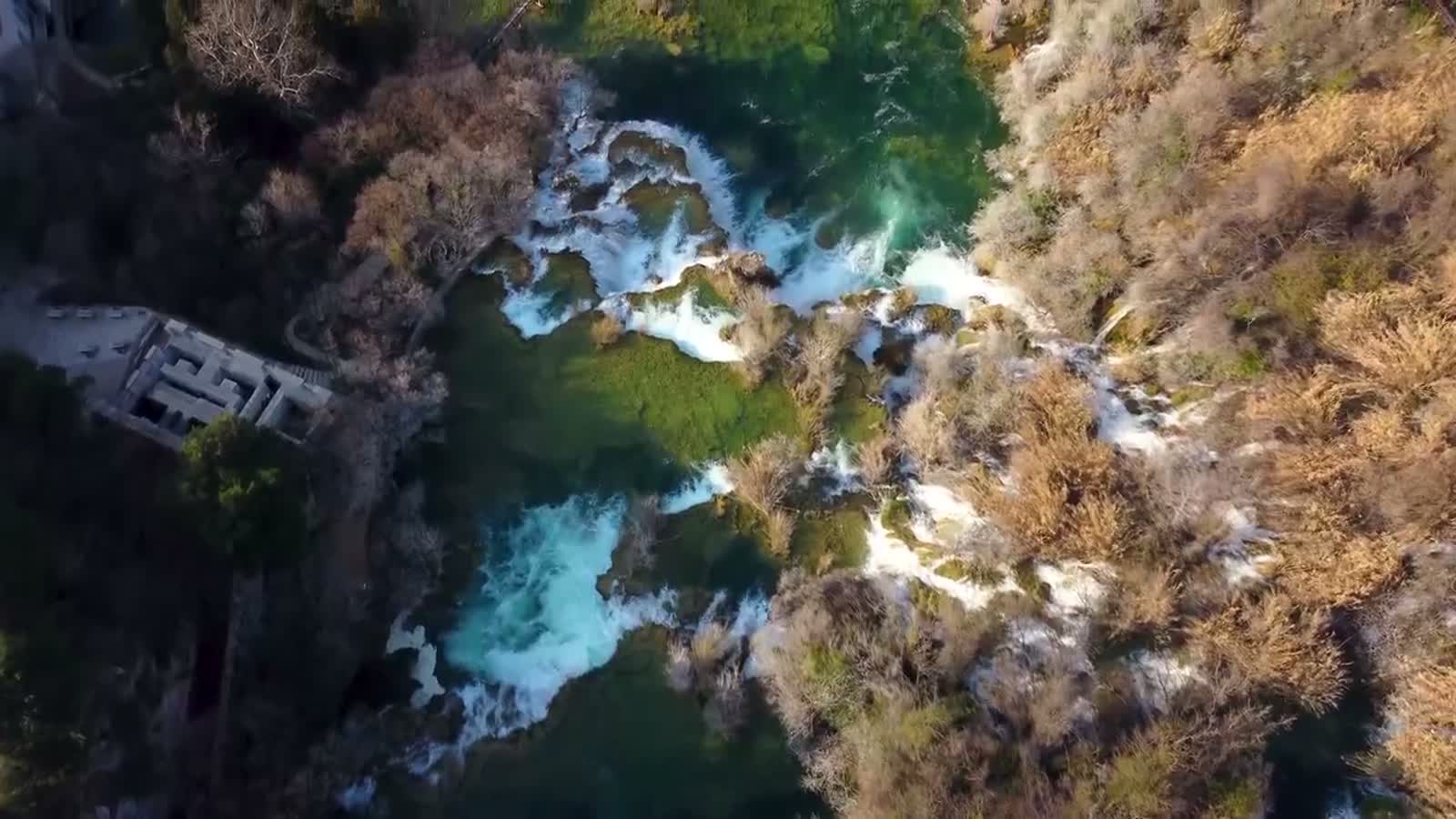
Plitvice Lakes waterfalls
Plitvice Lakes
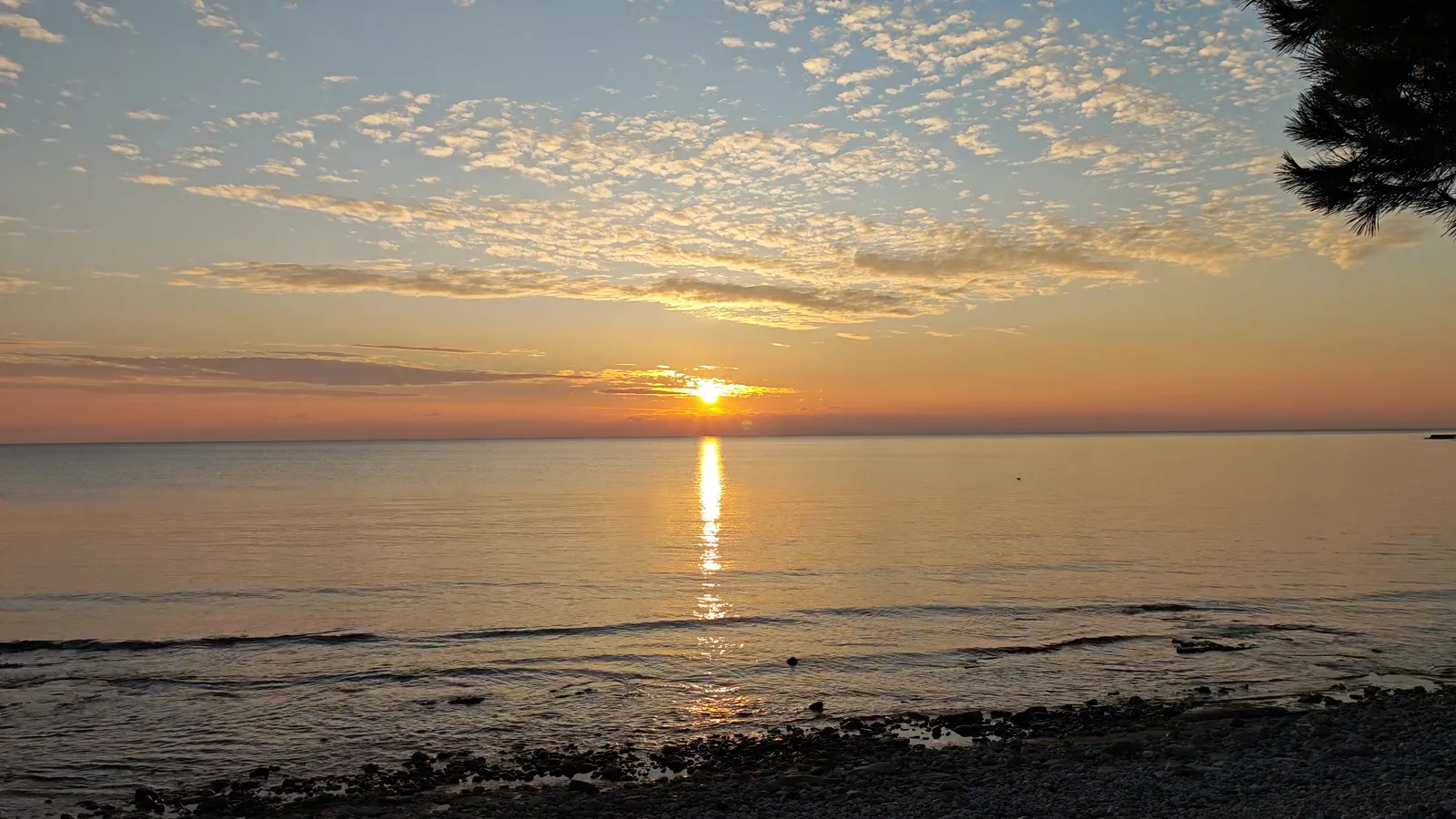
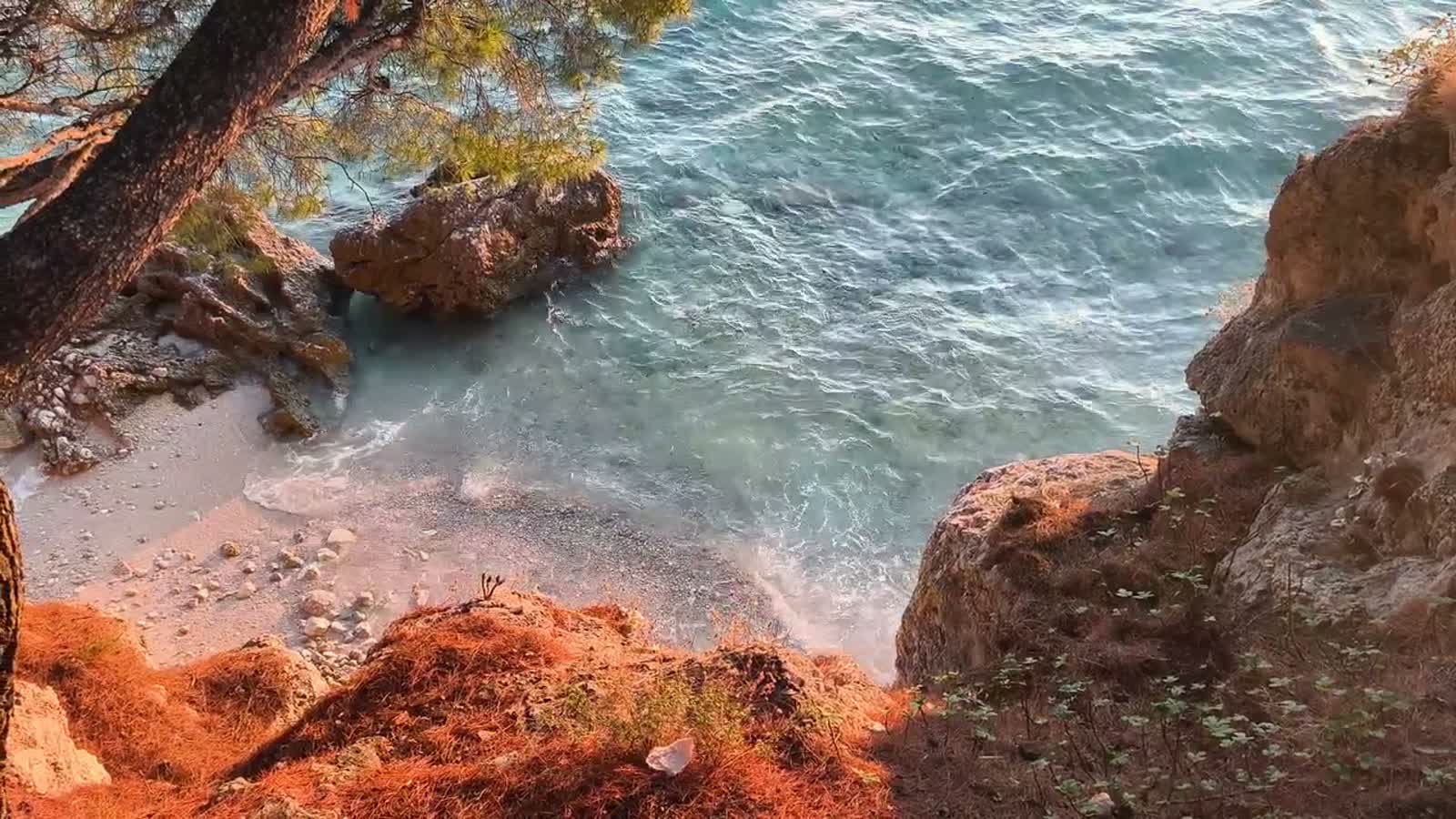
A turquoise Adriatic cove
The Adriatic
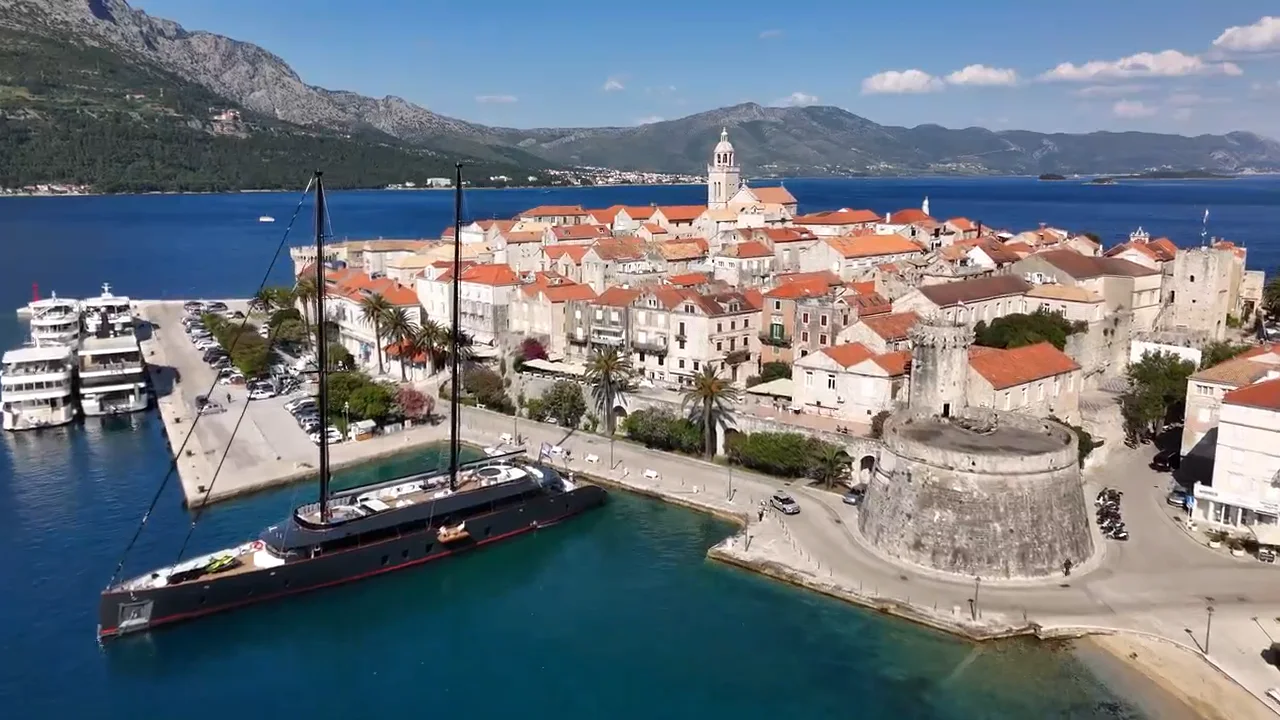
The island of Korčula from the air
Korčula
Why Croatia

Croatia has an outsized place in the story of science and medicine

A small country on the Adriatic gave the world one of the founding tools of public health, two Nobel chemists, a founder of the WHO, and an antibiotic still used everywhere. This is the tradition Med&X was built to carry forward.

Let’s follow the line through history.

Across the centuries from 1317 to the present
  1. 1377First quarantinethe world’s first
  2. 1711Boškovićanticipated modern physics
  3. 1917Zagreb schoolseeded the region’s medicine
  4. 1939Nobel · RužičkaNobel in chemistry
  5. 1980Azithromycina global antibiotic
  6. 2026The gatheringmedicine, reunited
A turquoise Adriatic cove
Seven centuries

The walk starts here

From a city on the Adriatic in 1377, the golden line begins — and it will not stop until today.

1377
Dubrovnik

Dubrovnik enacted the world’s first quarantine law — a Croatian city gave the world one of the founding tools of public health.

The Great Council of Ragusa ordered arrivals from plague areas into isolation, the trentino, before entering the city.

Enacted27 July 1377

First termtrentino · thirty days

Later extendedquarantena · forty days

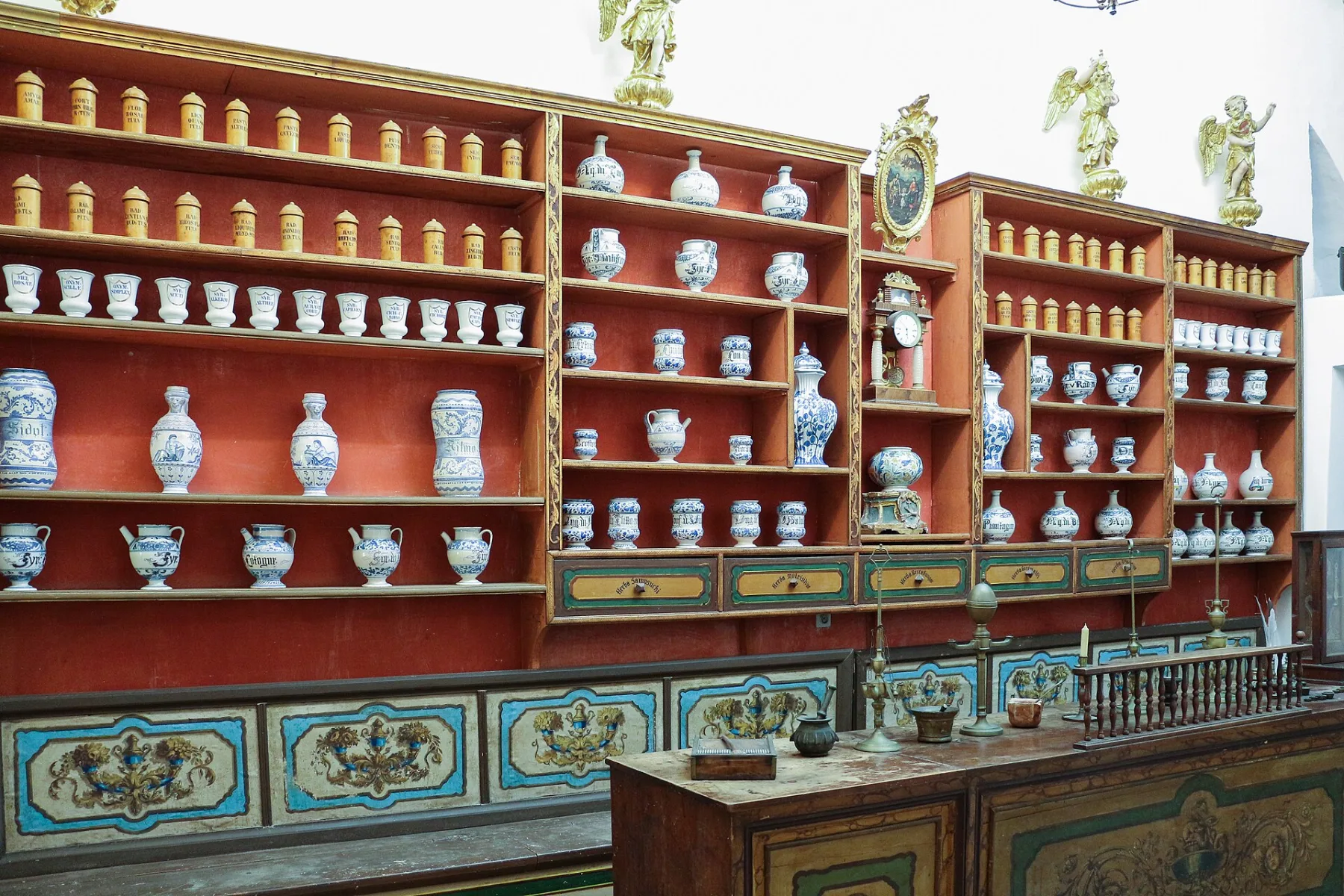
The old pharmacy of the Franciscan Monastery in Dubrovnik
See the first pharmacy
The Old Pharmacy of the Friars Minor Dubrovnik · since 1317
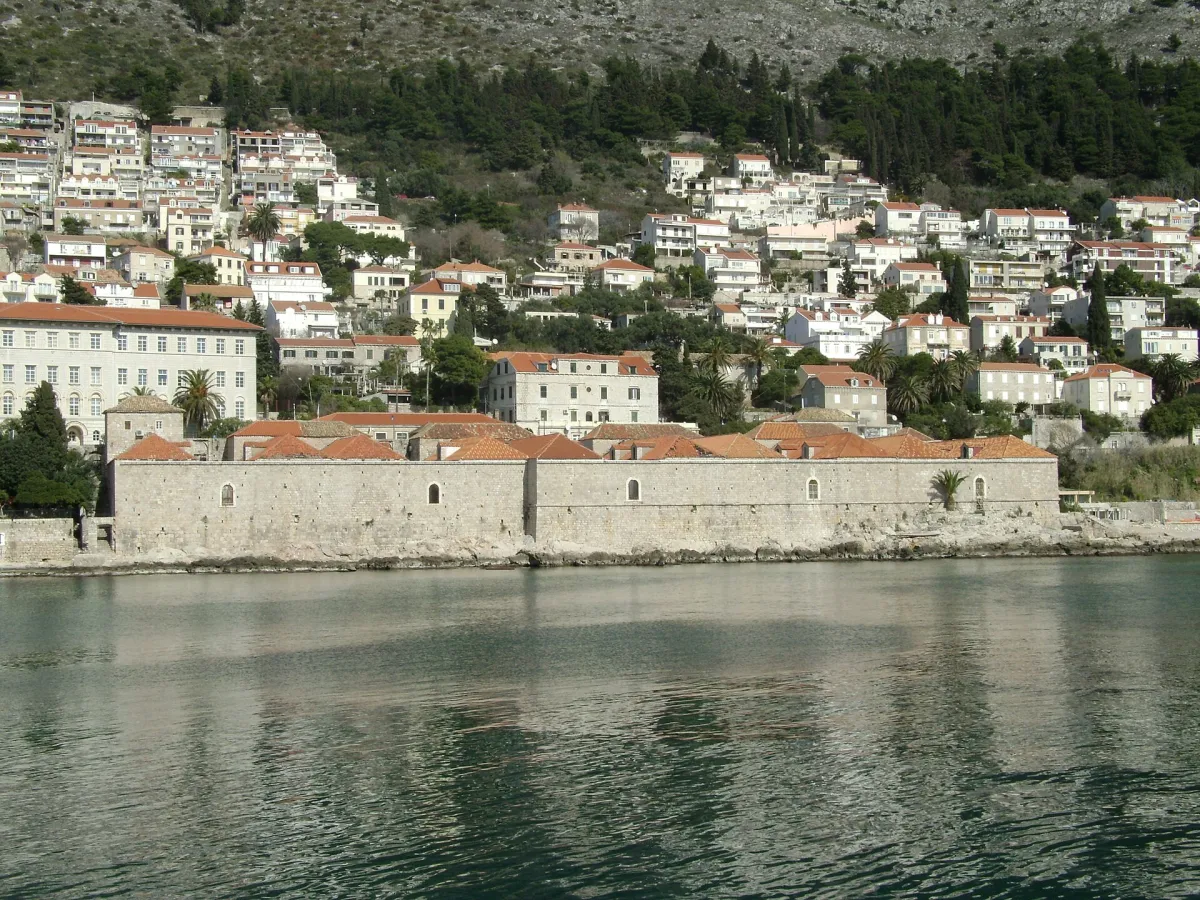
The Lazarettos of Dubrovnik
The Lazarettos of Dubrovnik quarantine houses · photograph
1603
Dubrovnik

Marin Getaldić of Dubrovnik brought algebra to geometry — and traded letters with Galileo along the way.

A mathematician and physicist who studied under Viète, he pioneered the algebraic treatment of geometry and experimented with parabolic mirrors and light.

Fieldsmathematics · optics

Corresponded withGalileo Galilei

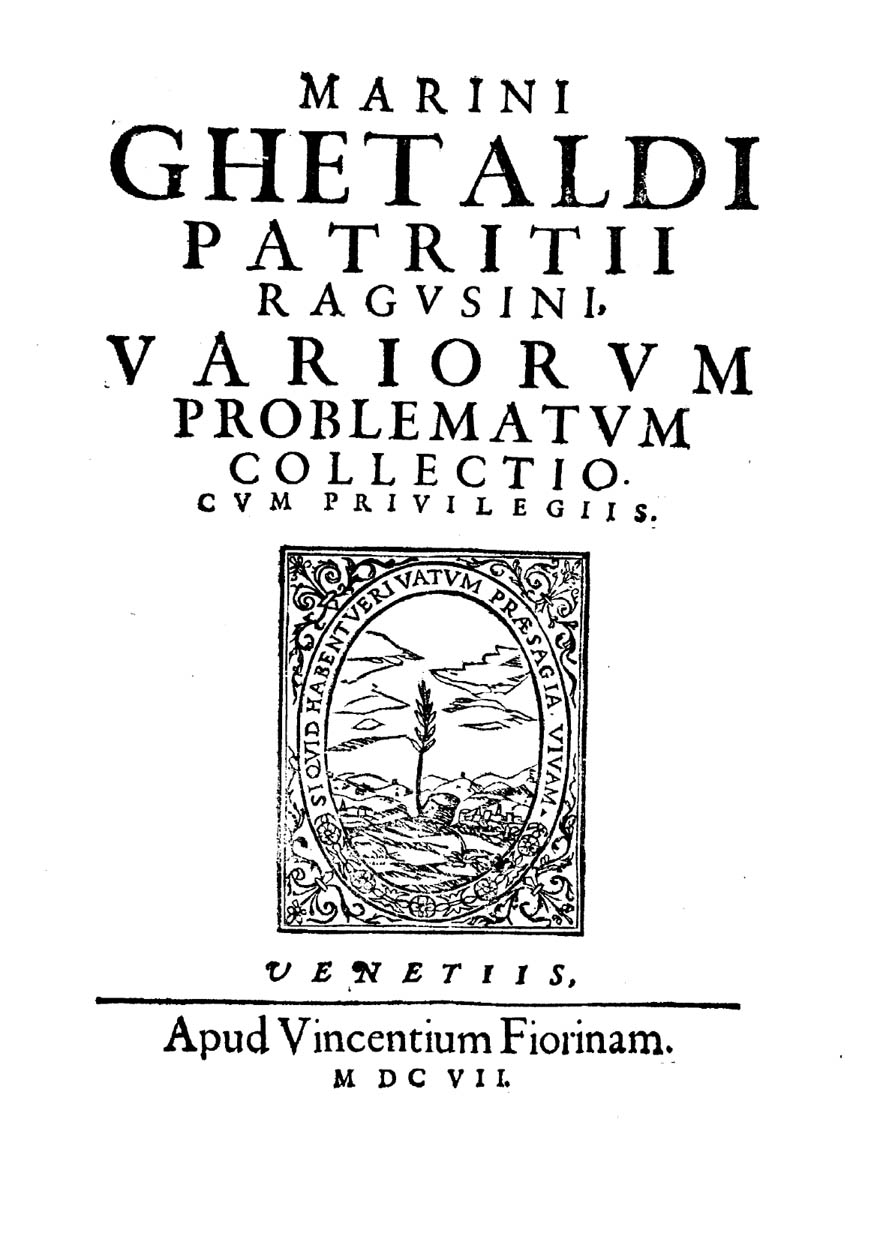
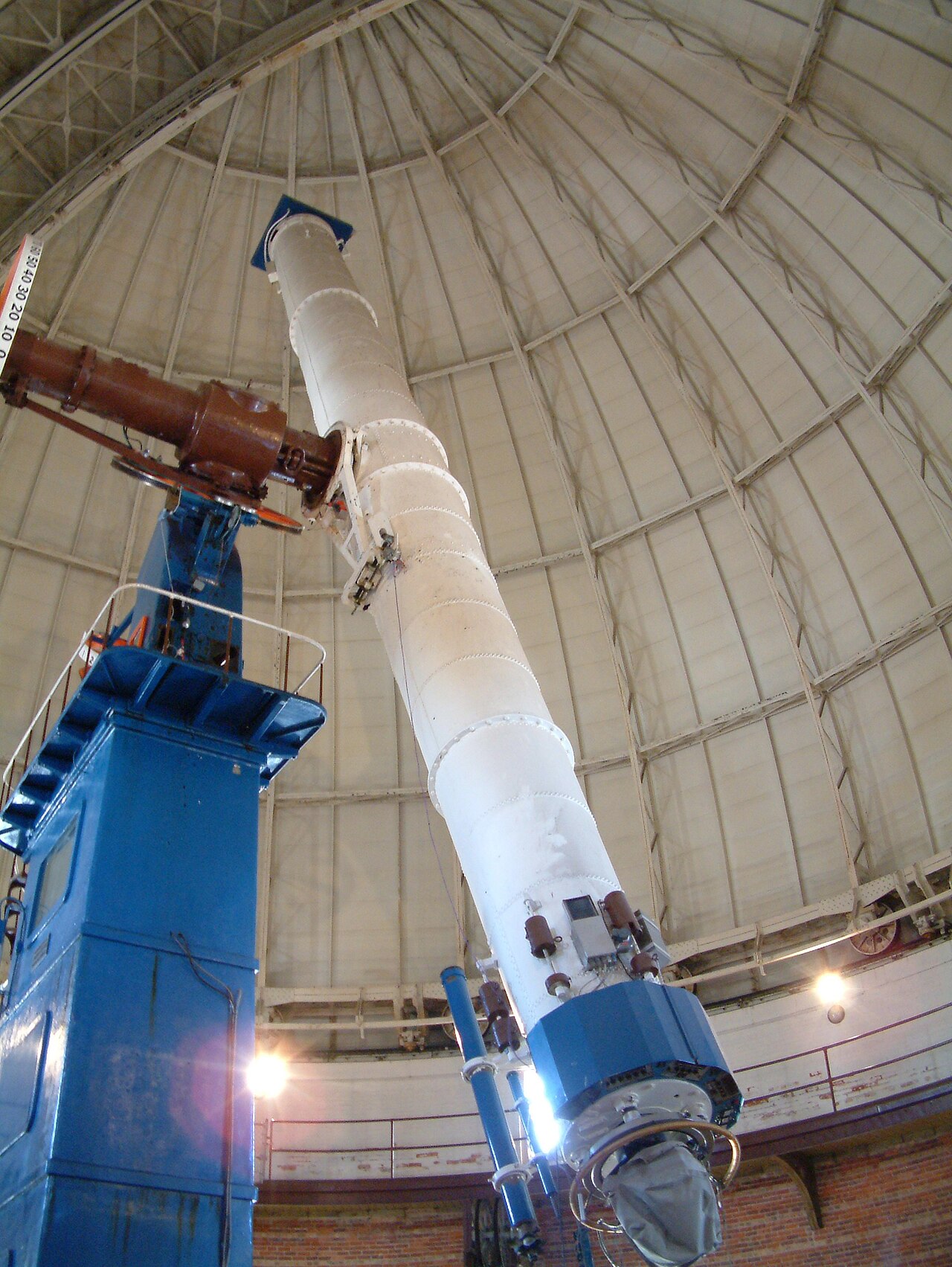
Title page of Getaldić's Variorum problematum collectio, Venice, 1607 A large refracting telescope in its observatory dome
Variorum problematum collectio Marin Getaldić · Venice, 1607
1711
Dubrovnik

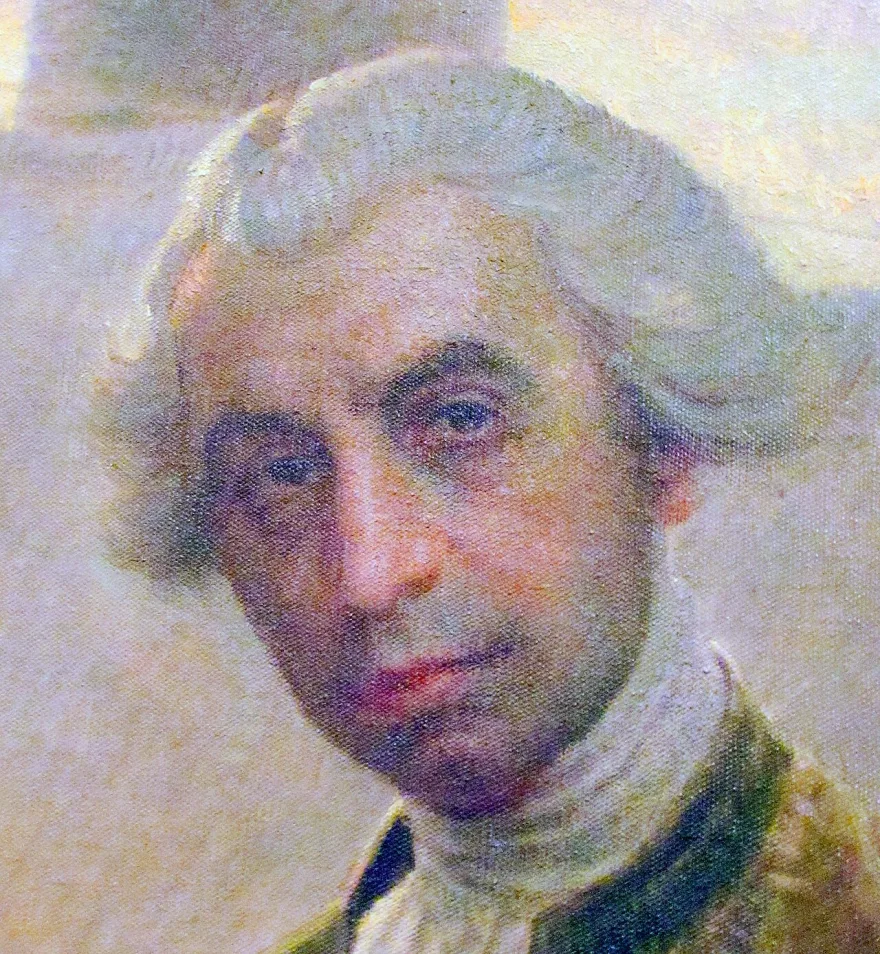
Dubrovnik, 1711 — birthplace of Ruđer Bošković, the polymath whose theory of forces anticipated modern physics.

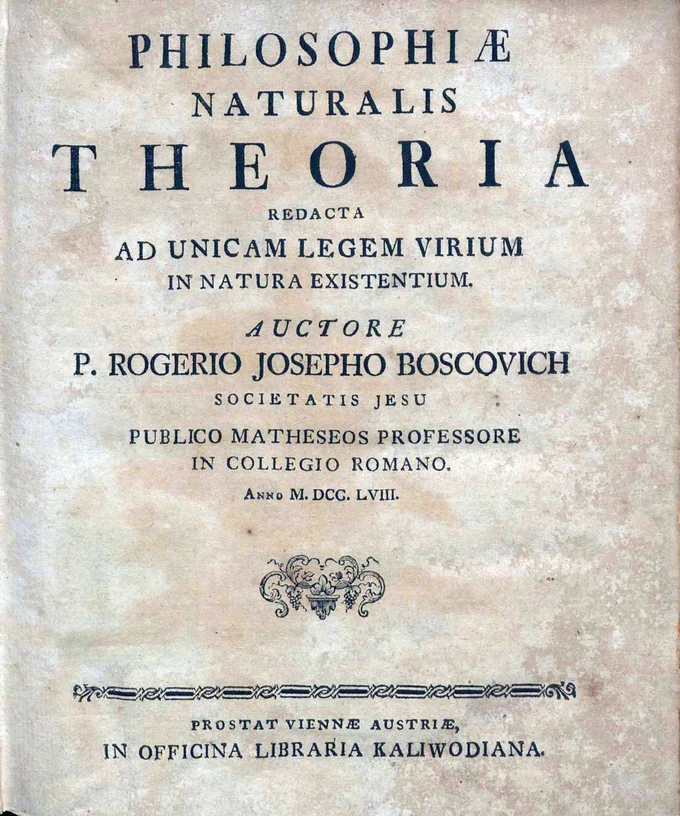
His 1758 treatise Theoria Philosophiae Naturalis set out an early theory of force-points that anticipated ideas in modern physics.

Fieldsphysics · astronomy · mathematics

FellowRoyal Society of London

His instituteRuđer Bošković Institute, Zagreb

Title page of Bošković's Theoria Philosophiae Naturalis, 1758
Theoria Philosophiae Naturalis title page · 1758
Portrait of Ruđer Bošković A barred spiral galaxy photographed by the Hubble Space Telescope
Ruđer Bošković · oil on canvas after Vlaho Bukovac

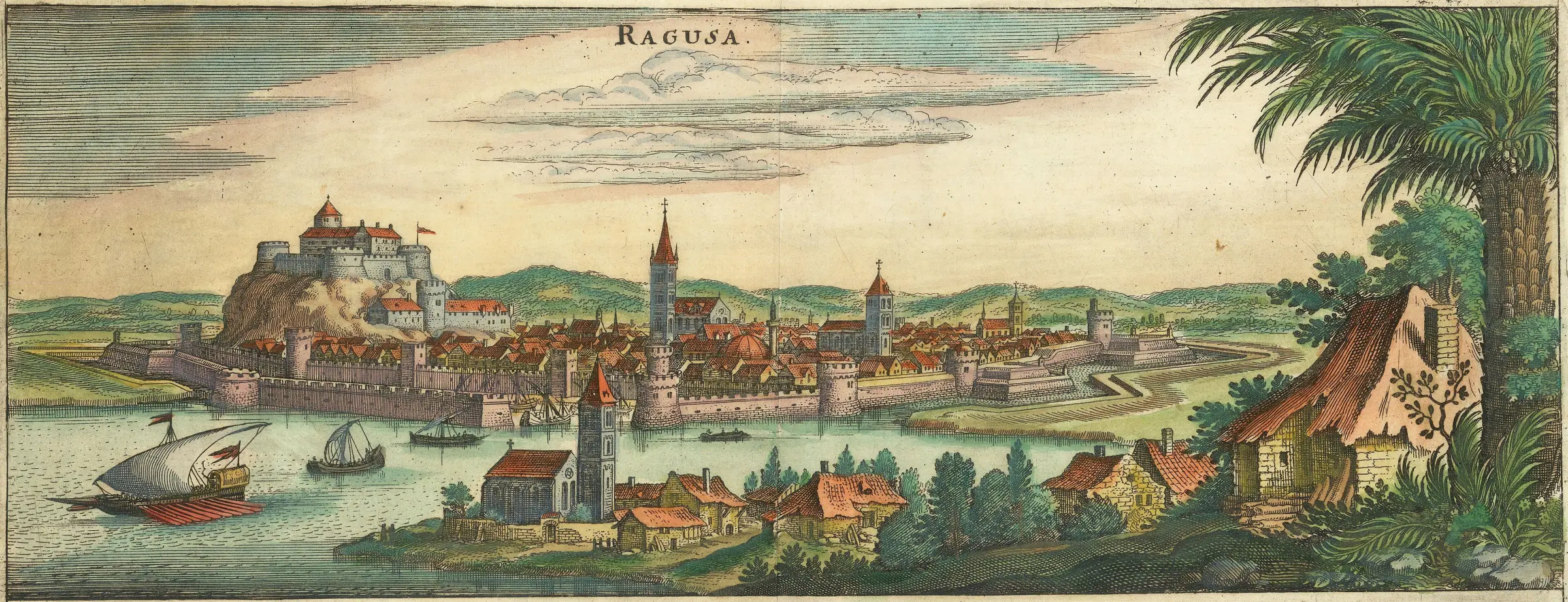
Ragusa — the republic that first wrote quarantine into law, 1377.

Ragusa · Matthäus Merian, c. 1660 · copper engraving
The cascades of the Krka
The line runs on

Into the 19th century

A nation finding its shape — and its scientists changing the world.

The line runs on

Century after century, a small country helped shape the world’s science and medicine — growing alongside it

1856
Smiljan

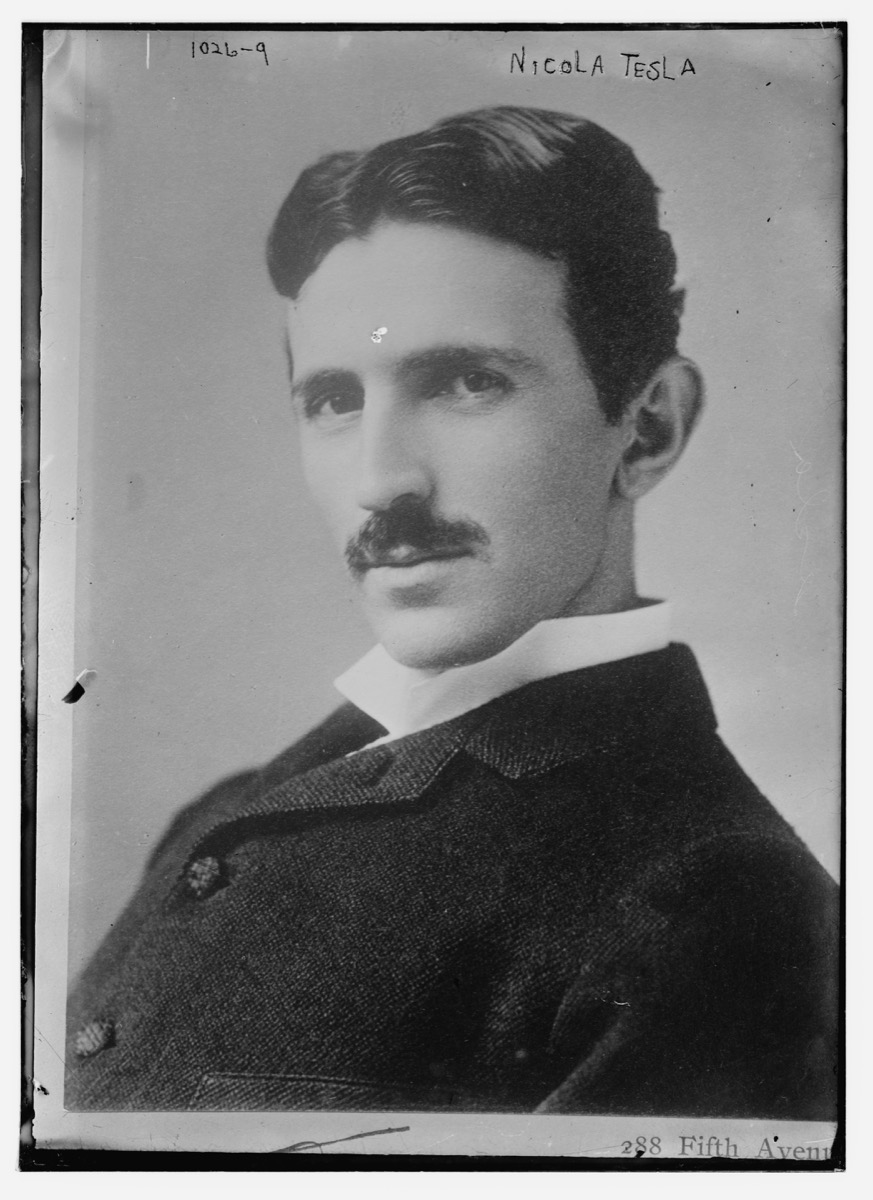
Nikola Tesla was born in Smiljan in 1856 — his work on alternating current and the induction motor helped electrify the modern world.

His alternating-current system and the induction motor became foundations of how the world generates and uses electricity.

BornSmiljan · 1856

Fieldselectrical engineering · physics

Known foralternating current · the induction motor

Portrait of Nikola Tesla High-voltage transmission lines silhouetted at sunset
Nikola Tesla · photograph Napoleon Sarony, 1890 · Library of Congress
1888
Istria → Paris

The Istrian physicist Josip Belušić invented the first electric speedometer — the velocimeter — shown at the 1889 Paris Exposition.

A forerunner of the taximeter and the tachograph, it read a vehicle’s speed electrically for the first time.

Inventedthe velocimeter · 1888

Shown atParis Exposition, 1889

A modern car speedometer glowing at night
Josip Belušić the velocimeter
1892
Hvar → the world

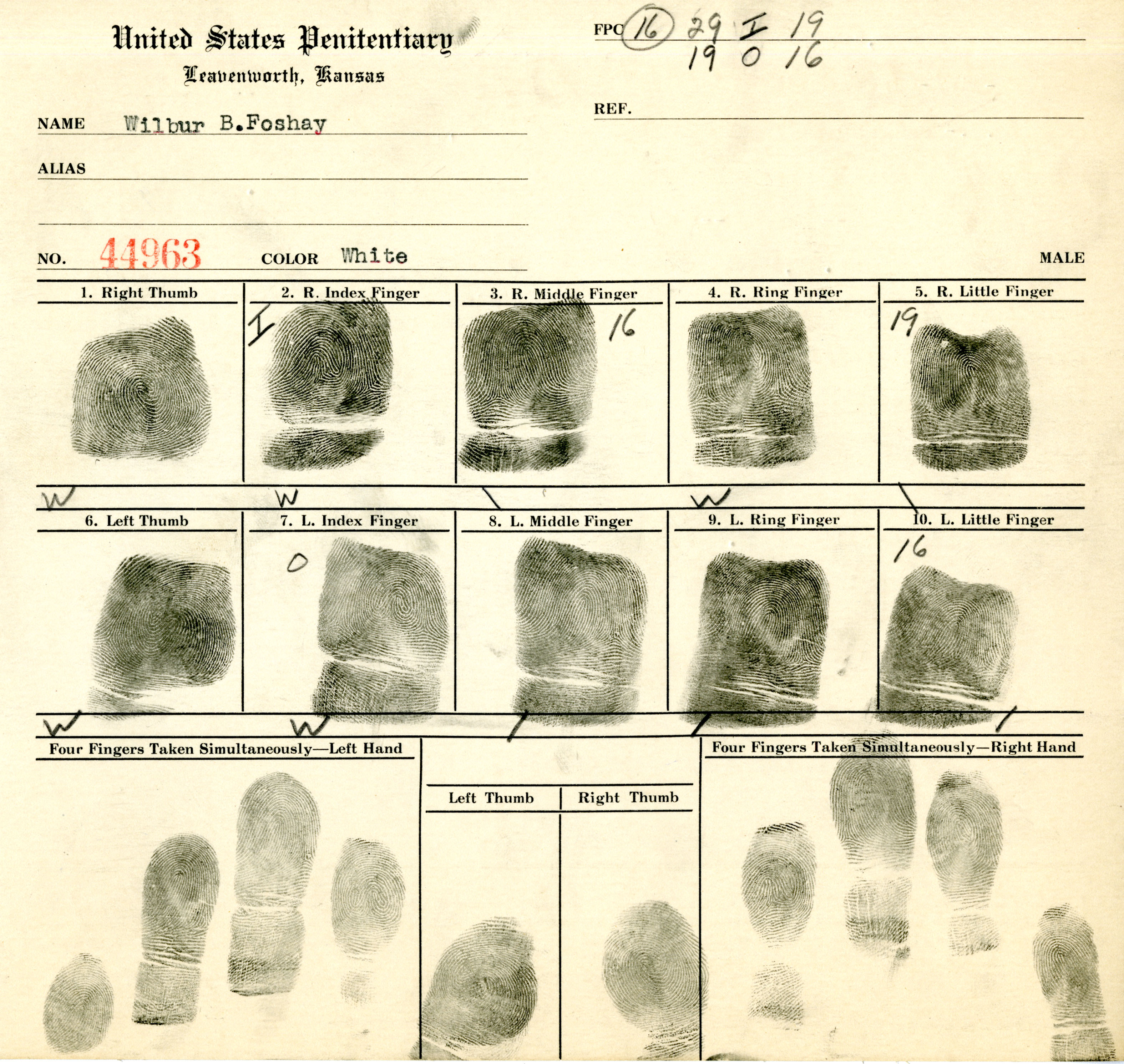
Hvar-born Ivan Vučetić built the first workable fingerprint identification — and made the first criminal conviction ever secured by a fingerprint.

His method spread across the world under the name dactyloscopy, and still sits in every passport and phone today.

First convictionby fingerprint · 1892

Methoddactyloscopy

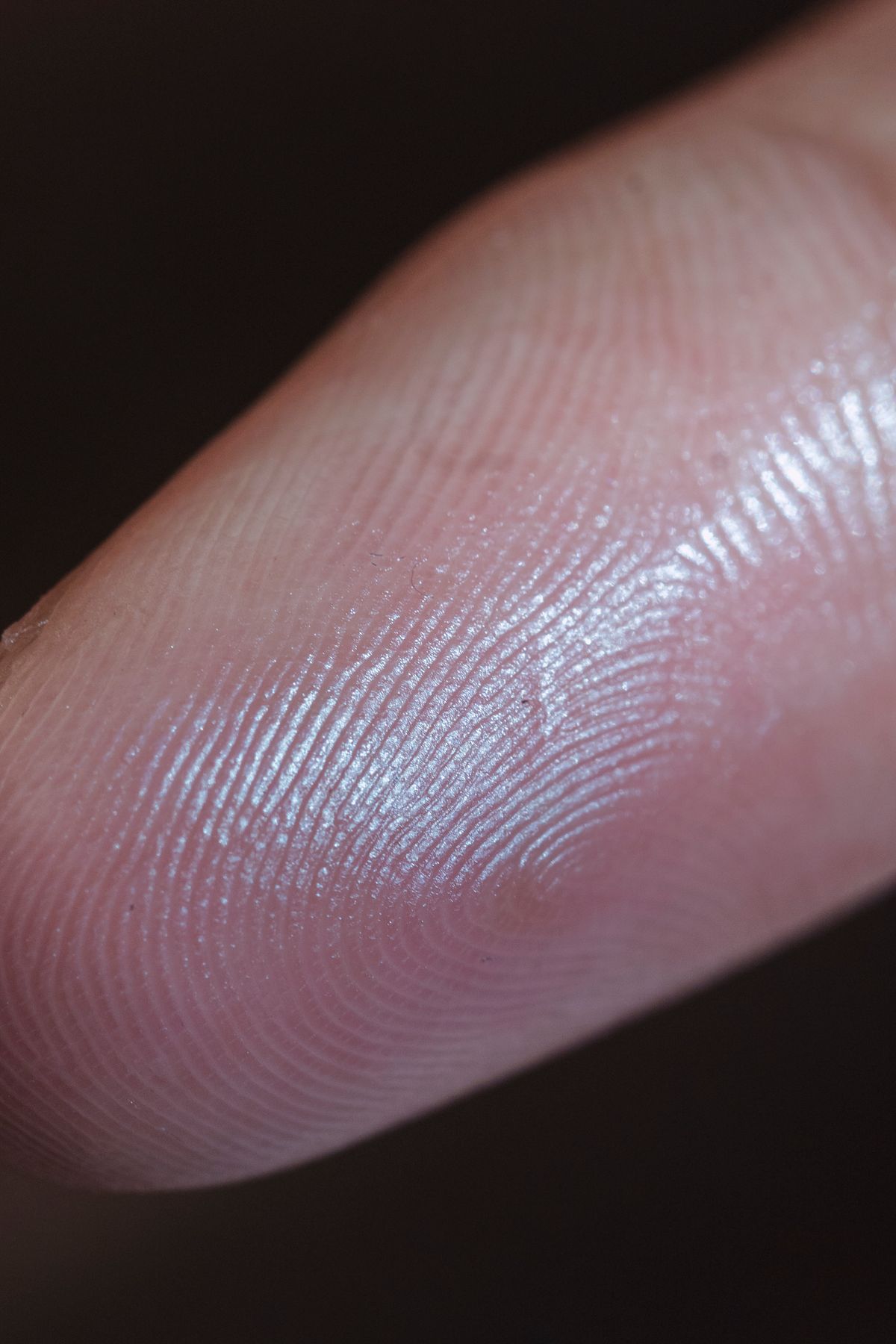
An early fingerprint identification card A macro photograph of a human fingerprint whorl
A fingerprint identification card the method Vučetić founded
1895
Šibenik · the Krka

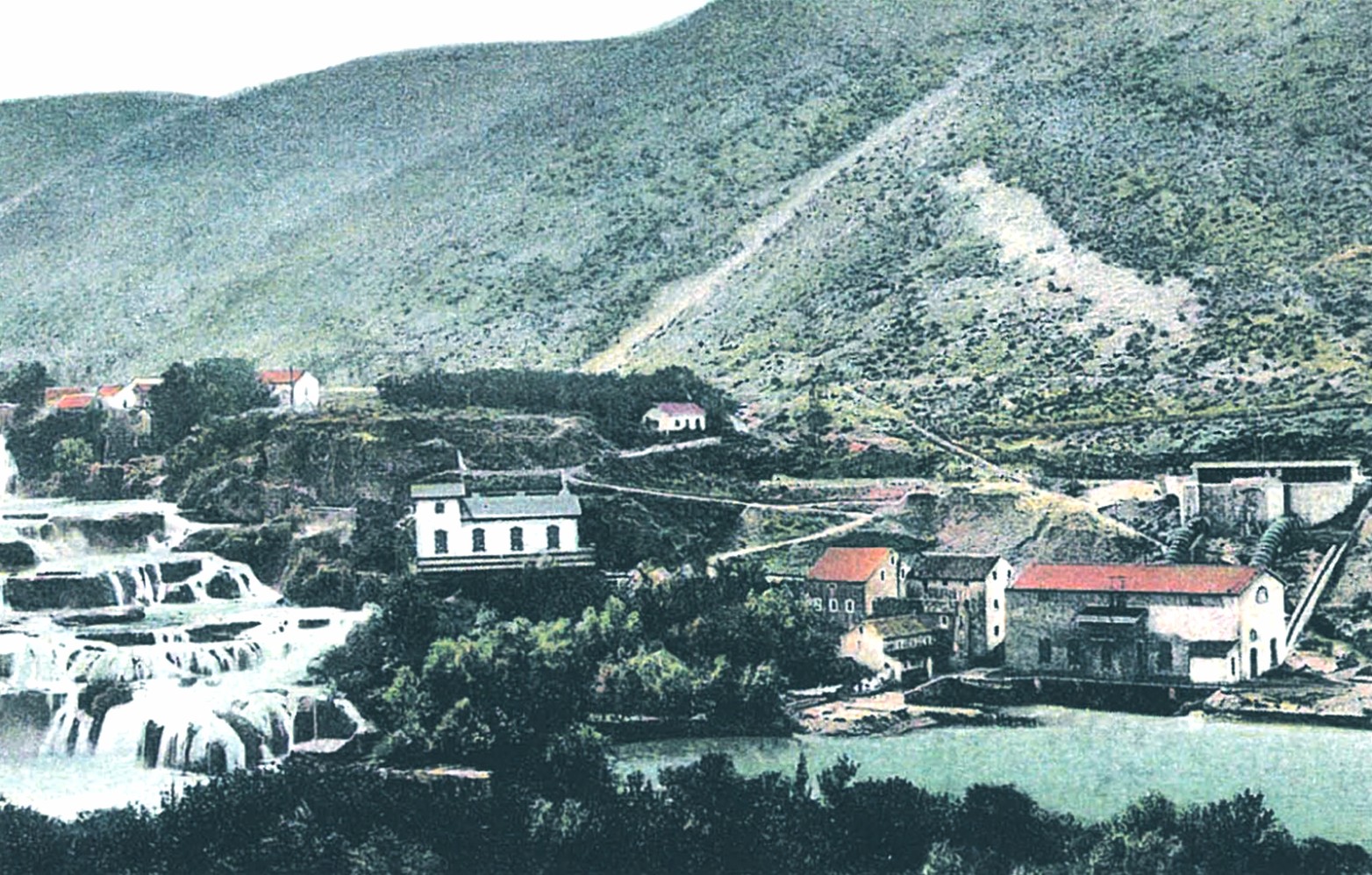
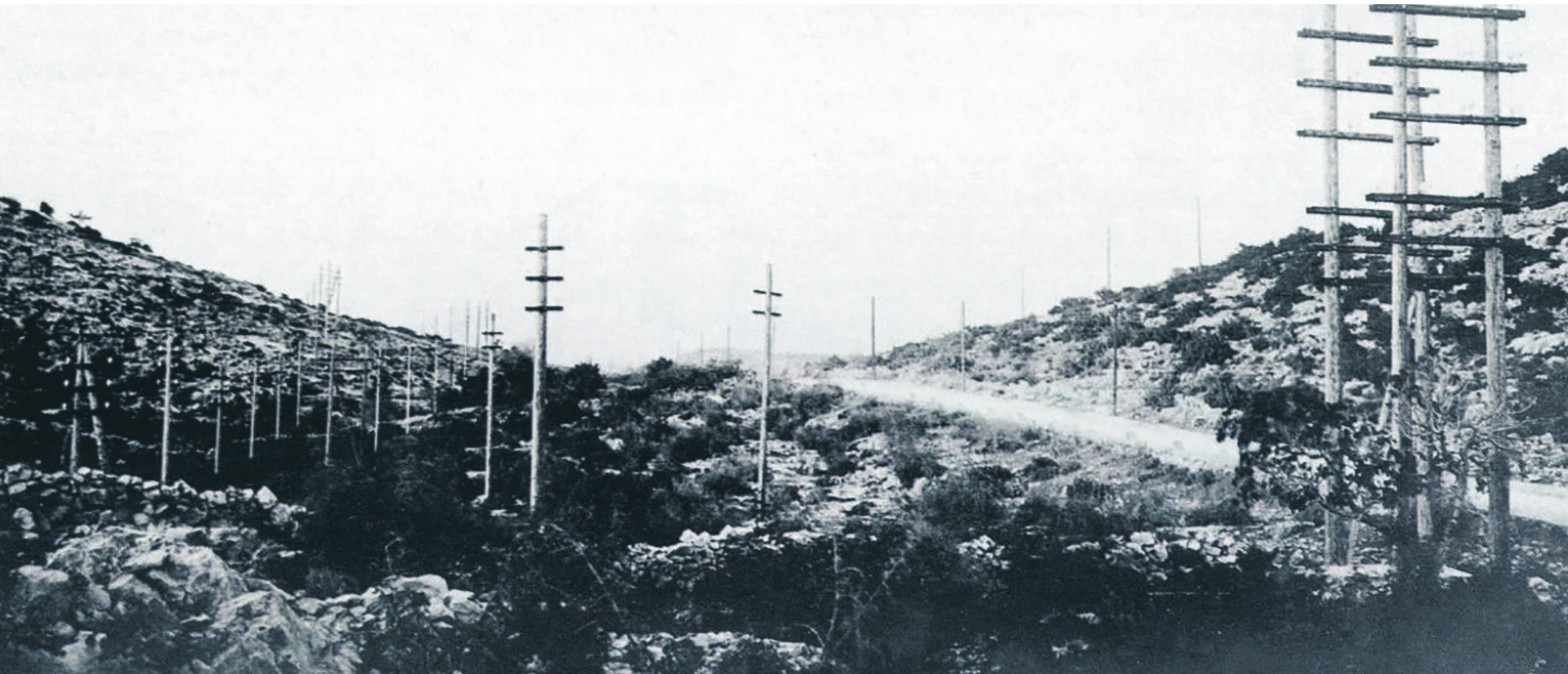
On 28 August 1895, Šibenik lit its streets from the Jaruga plant on the Krka — one of the world’s first complete alternating-current power systems.

Generation, transmission and public lighting, together, the same year Niagara went into service. An IEEE Milestone in engineering history.

First lit28 August 1895

Carried11.5 km, Jaruga to the city

RecognisedIEEE Milestone

The Jaruga hydroelectric plant on the Krka
The Jaruga plant on the Krka photograph · c. 1903
The 1895 power lines carrying current from the Krka to Šibenik
The lines to Šibenik one of the world’s first · 1895

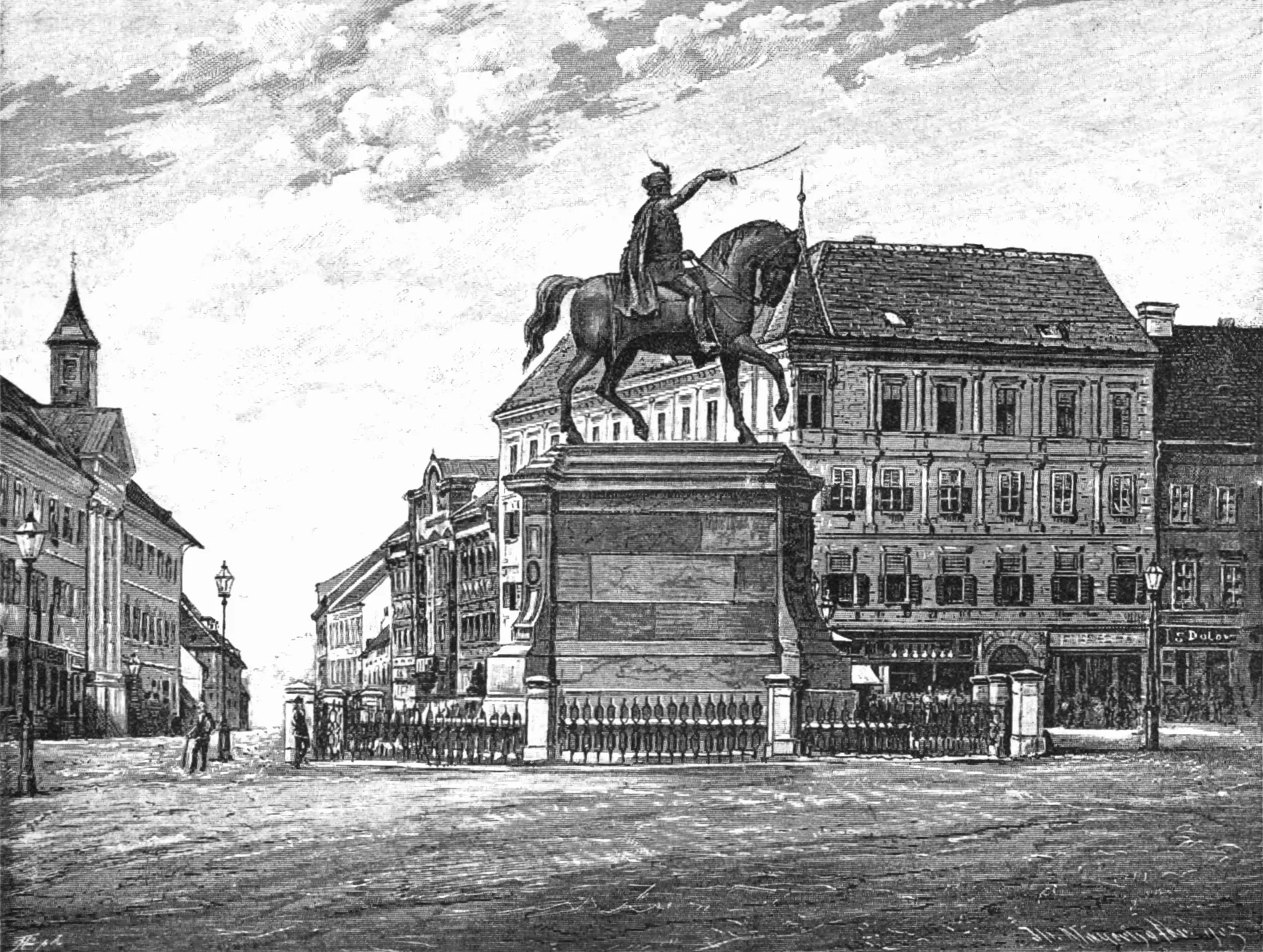
Zagreb — where a nation’s medicine gathered.

Zagreb · Jelačić Square and Ilica · Theodor Mayerhofer, 1884 · wood engraving
Zagreb
1917

The University of Zagreb School of Medicine, founded in 1917 — the oldest medical school in Southeast Europe.

It went on to found every other medical school in Croatia and several in neighbouring countries.

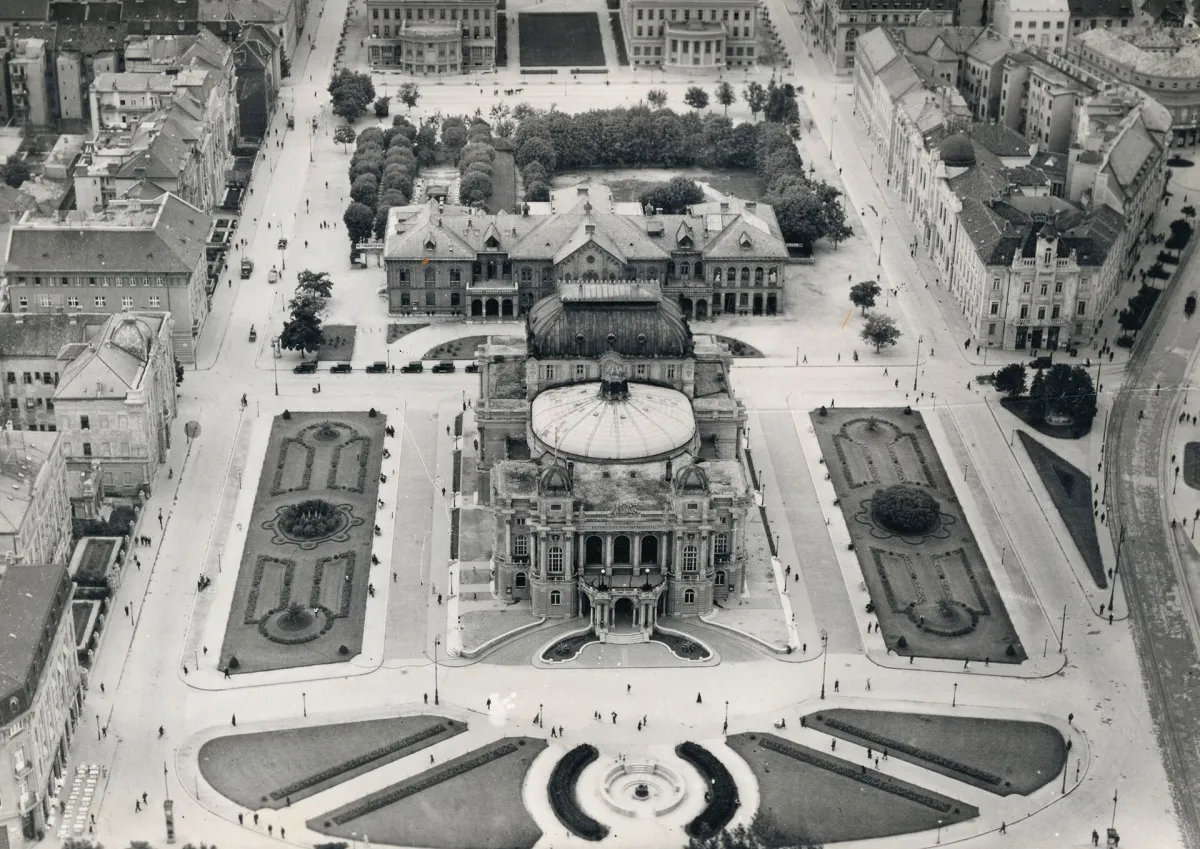
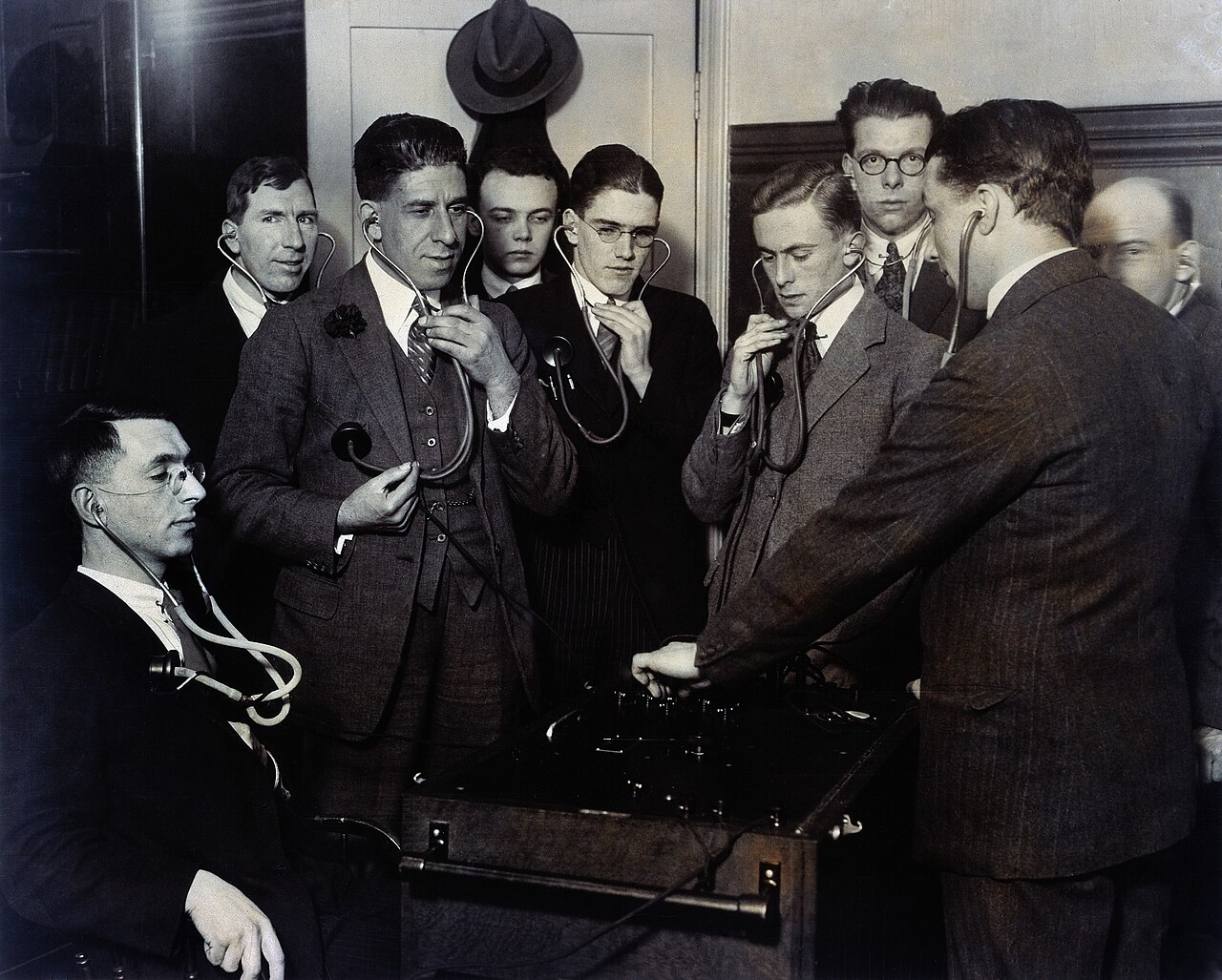
Historical Zagreb in the 1930s Medical students learning with stethoscopes
Zagreb · Marulićev trg, 1930s the city of the school · the faculty stands on Šalata

Founded bythe Croatian Parliament

Founders’ day17 December 1917

First lecture12 January 1918

1924
Krapina → Paris

Krapina-born Mirko Dražen Grmek became one of the founders of the modern history of medicine.

Working in Zagreb and then Paris, he gave the field the idea of pathocenosis — the whole set of diseases present in a society at a given time.

Fieldthe history of medicine

Gave itthe idea of pathocenosis

LedIntl. Academy of the History of Science

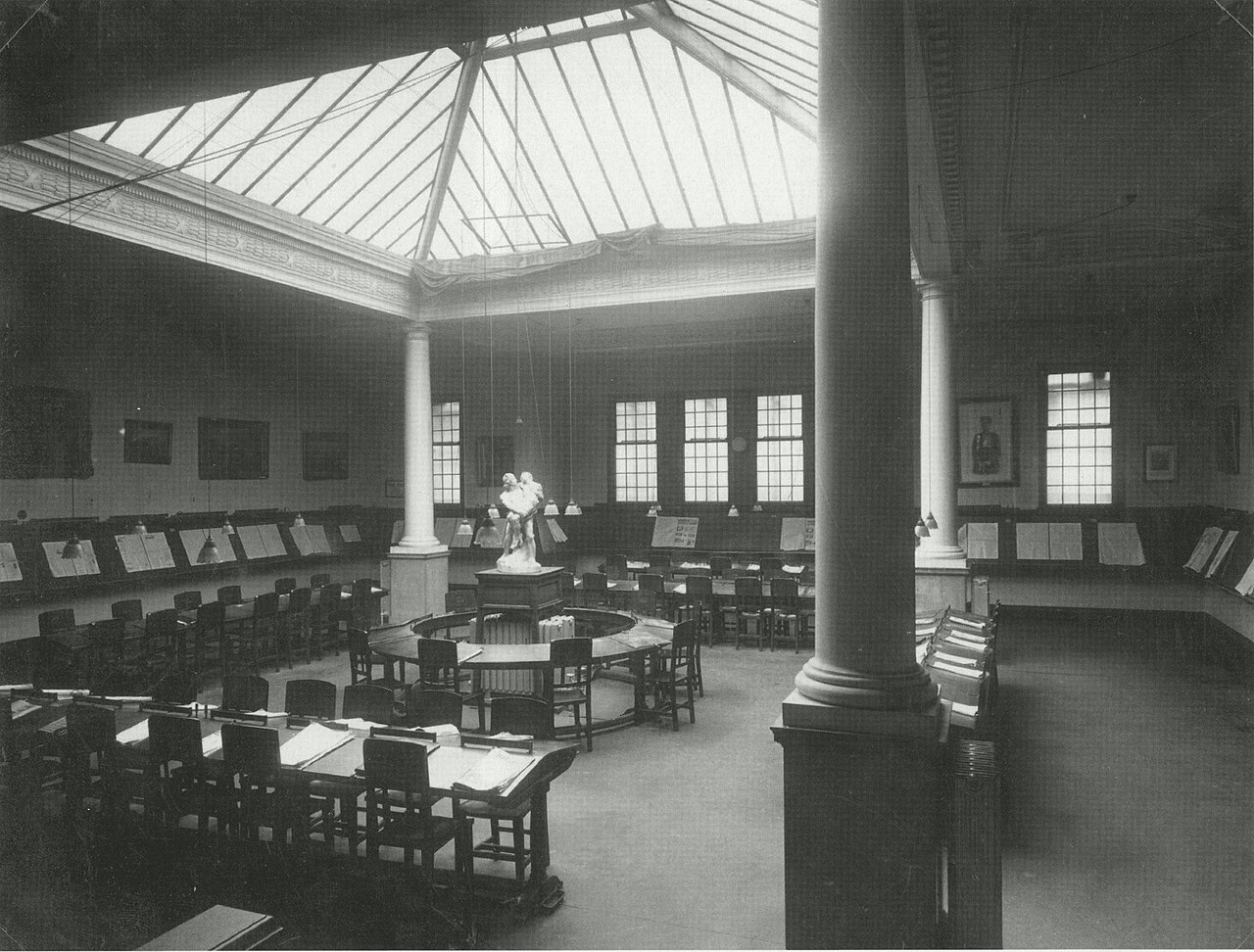
The rolling hills of Hrvatsko Zagorje, near Krapina The reading room of a grand historical library
Hrvatsko Zagorje · near Krapina his birthplace
1939
Vukovar · Slavonia

Lavoslav Ružička, born in Vukovar — the 1939 Nobel Prize in Chemistry, and the first to synthesize the male sex hormones.

His synthesis of androsterone and testosterone became foundational to modern hormone medicine.

PrizeNobel, Chemistry · 1939

Cited forpolymethylenes and higher terpenes

LaterETH Zürich

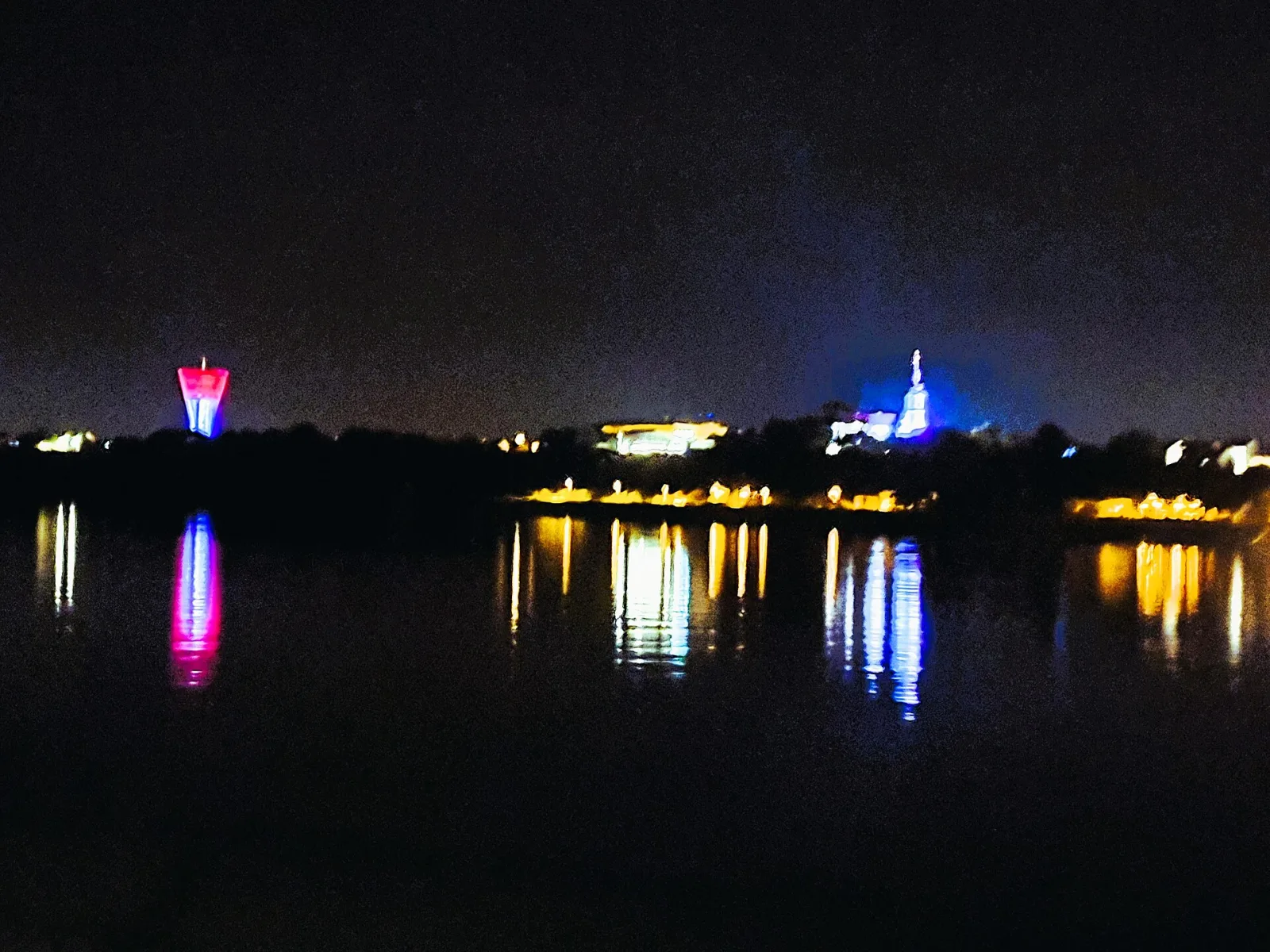
Vukovar and its water tower on the Danube
Vukovar · on the Danube his birthplace
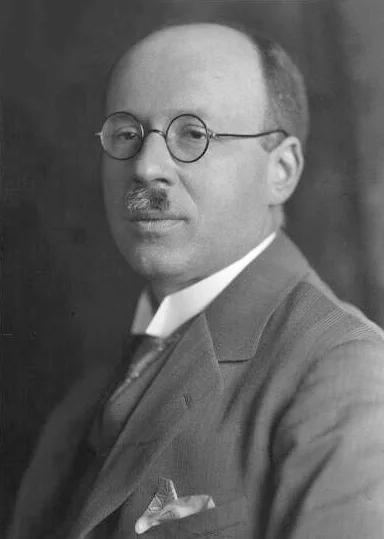
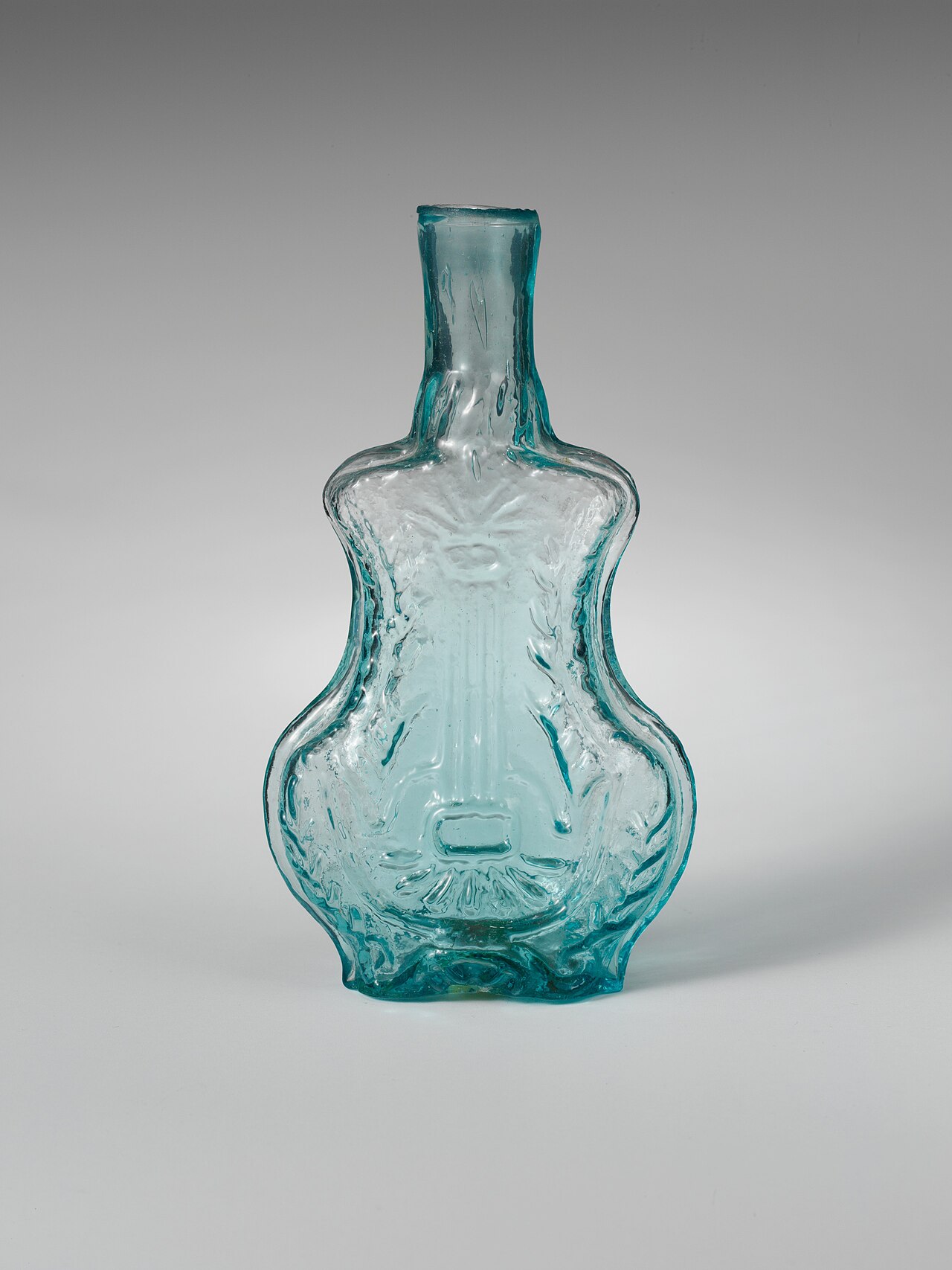
Portrait of Lavoslav Ružička A cut-glass perfume bottle
Lavoslav Ružička · photograph ETH Zürich, Bildarchiv
1941
Kostajnica · Banovina

Kostajnica-born Milislav Demerec, one of the twentieth century’s foremost geneticists, led Cold Spring Harbor Laboratory — and during the war engineered mould strains that multiplied the world’s supply of penicillin.

At Cold Spring Harbor he brought together the future Nobel laureates Barbara McClintock and Alfred Hershey.

BornKostajnica · 1895

Known forthe genetics of bacteria

LedCold Spring Harbor · 1941–1960

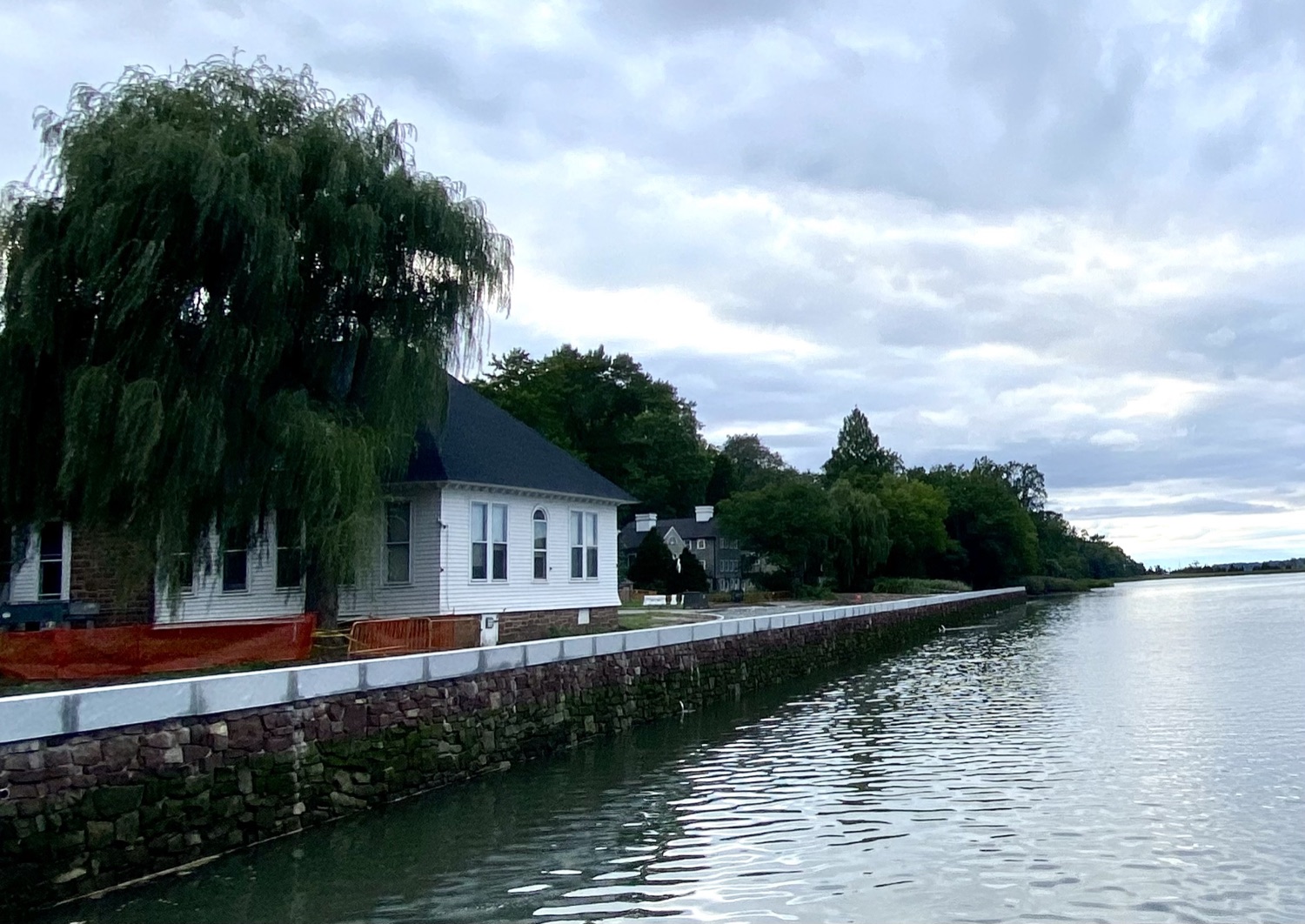
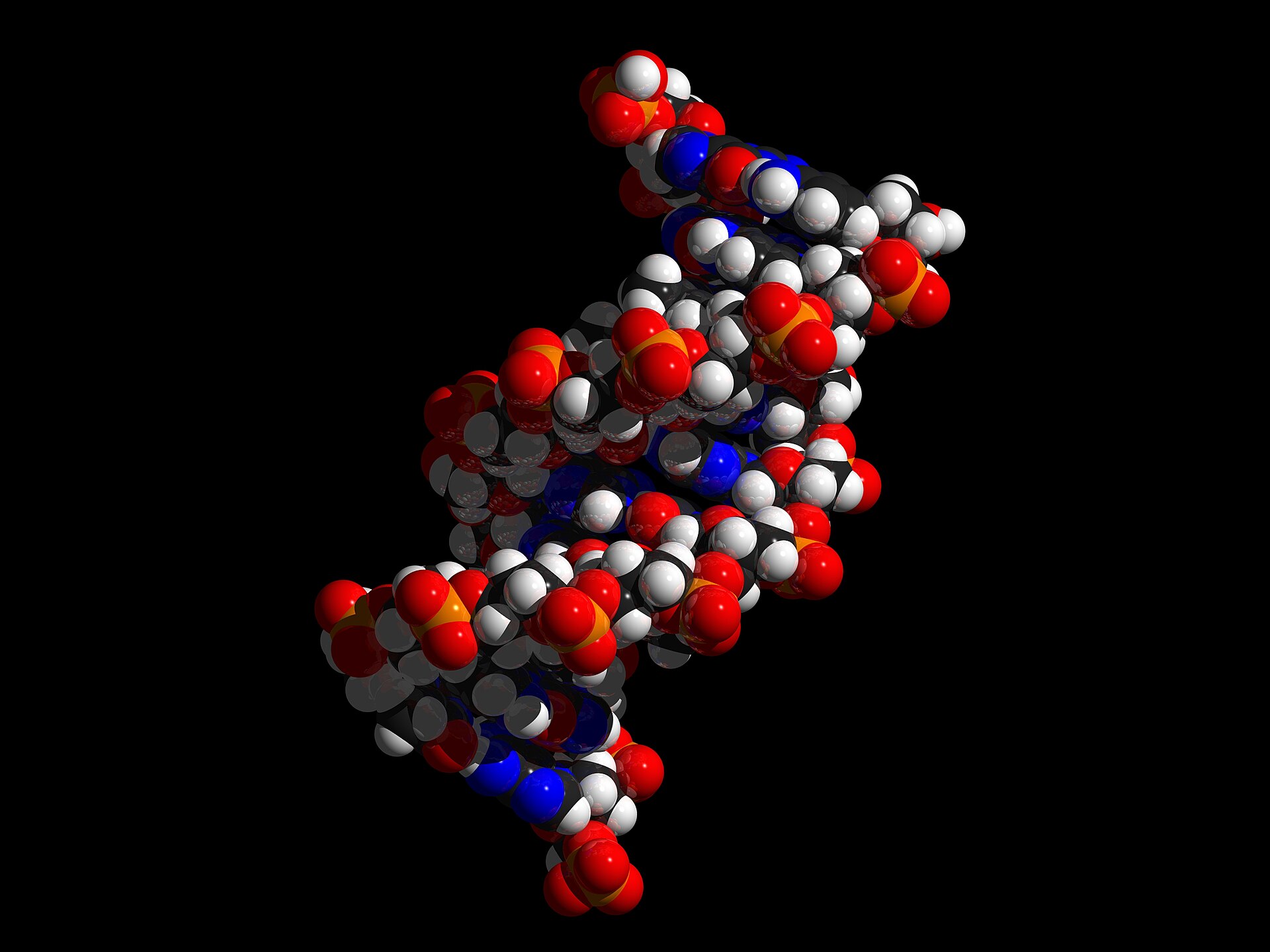
Cold Spring Harbor Laboratory beside its inner harbor A space-filling model of the DNA double helix
Cold Spring Harbor Laboratory · photograph his life’s laboratory
1948
Slavonia → Geneva

Andrija Štampar — born in Slavonia, 1888 — helped found the World Health Organization and was first President of its inaugural World Health Assembly, 1948.

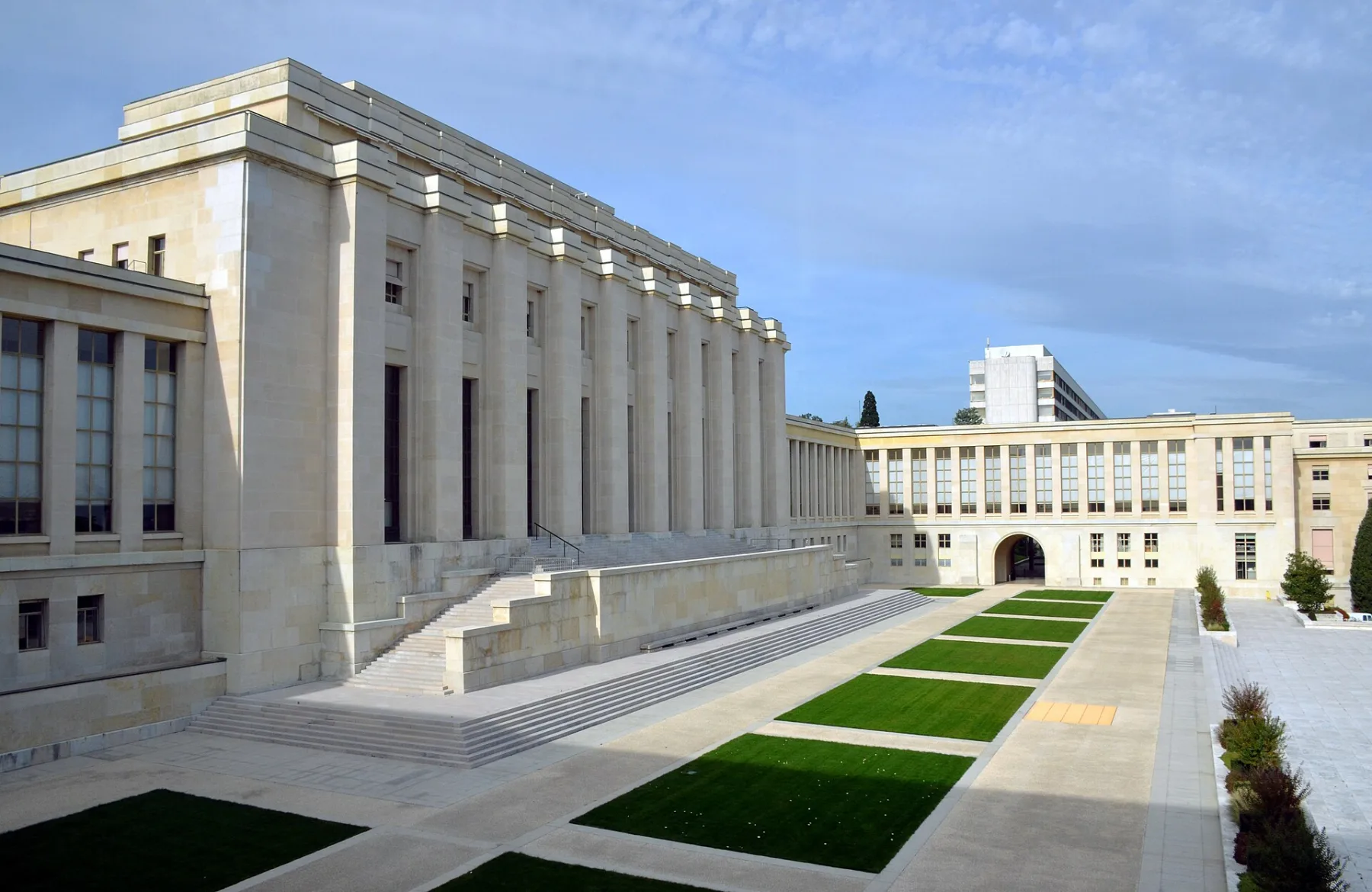
A pioneer of social medicine, he founded the School of Public Health in Zagreb in 1927. The first Assembly met at the Palais des Nations in Geneva.

BornSlavonia · 1888

Fieldsocial medicine · public health

Also chairedthe WHO Interim Commission

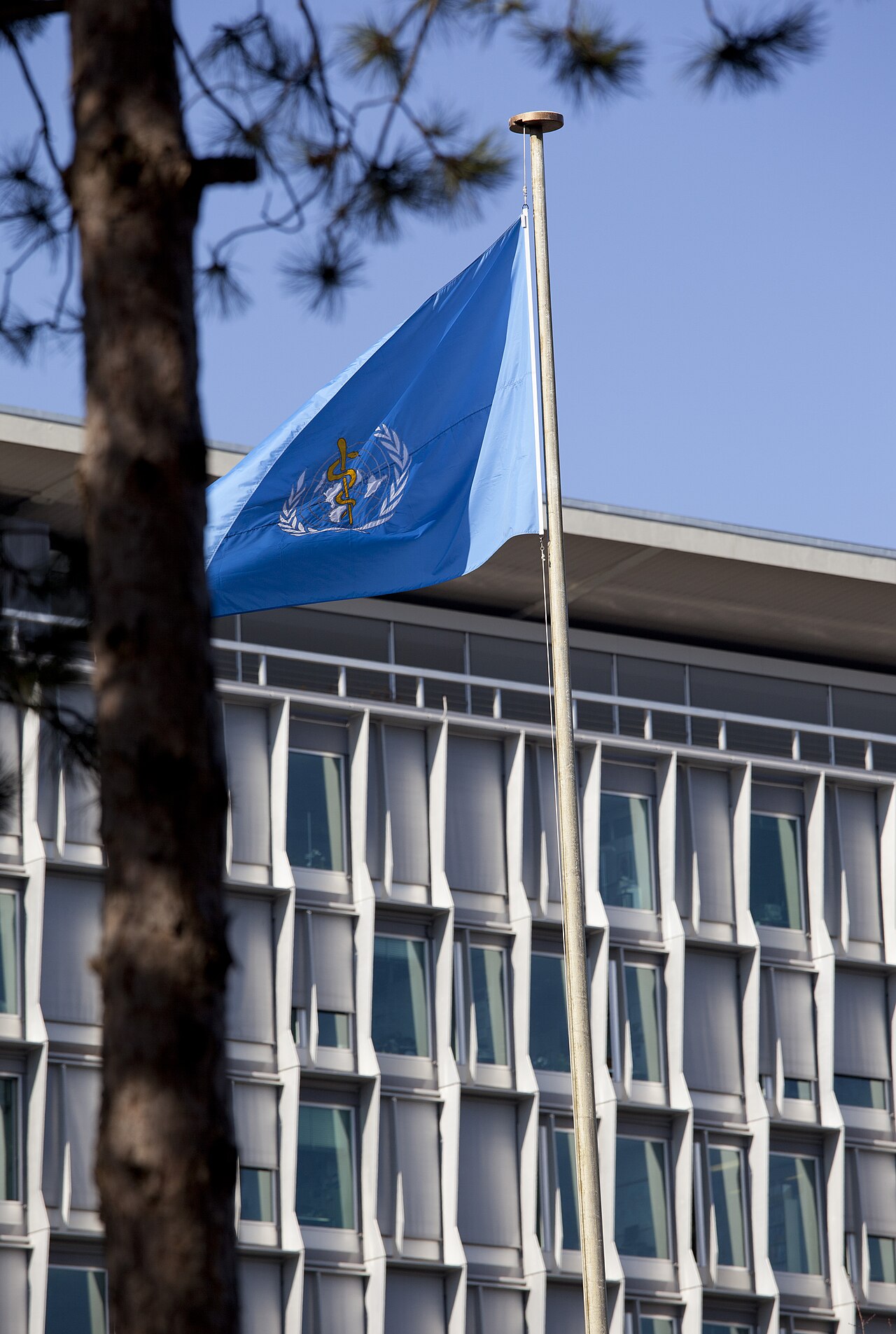
Portrait of Andrija Štampar, 1939 The World Health Organization flag flying at its Geneva headquarters
The Palace of Nations, Geneva
Andrija Štampar · and the Palais des Nations Geneva · 1948

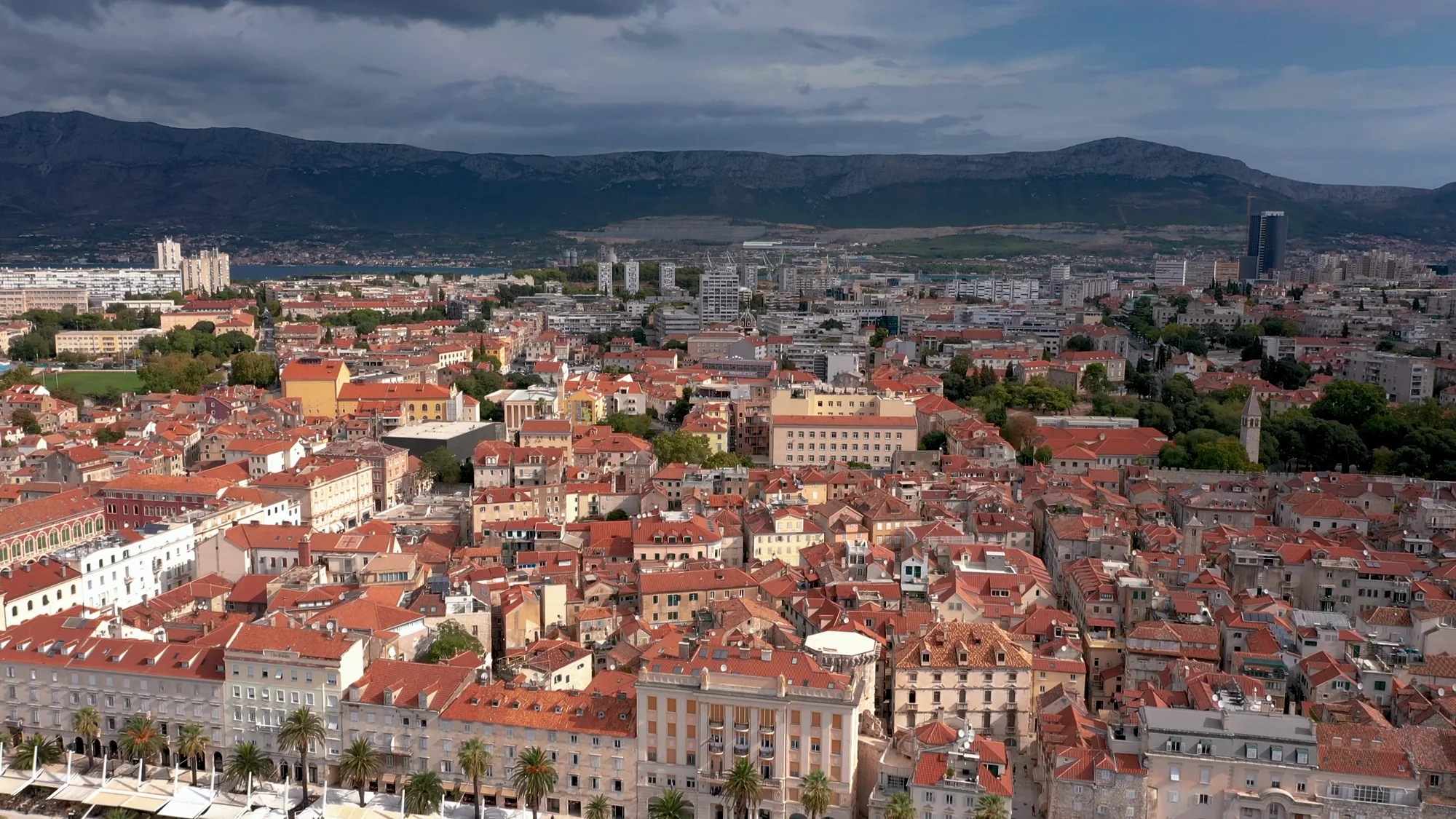
Between the mountains and the sea — a small country kept changing science and medicine.

The Adriatic coast of Dalmatia · footage via Pexels
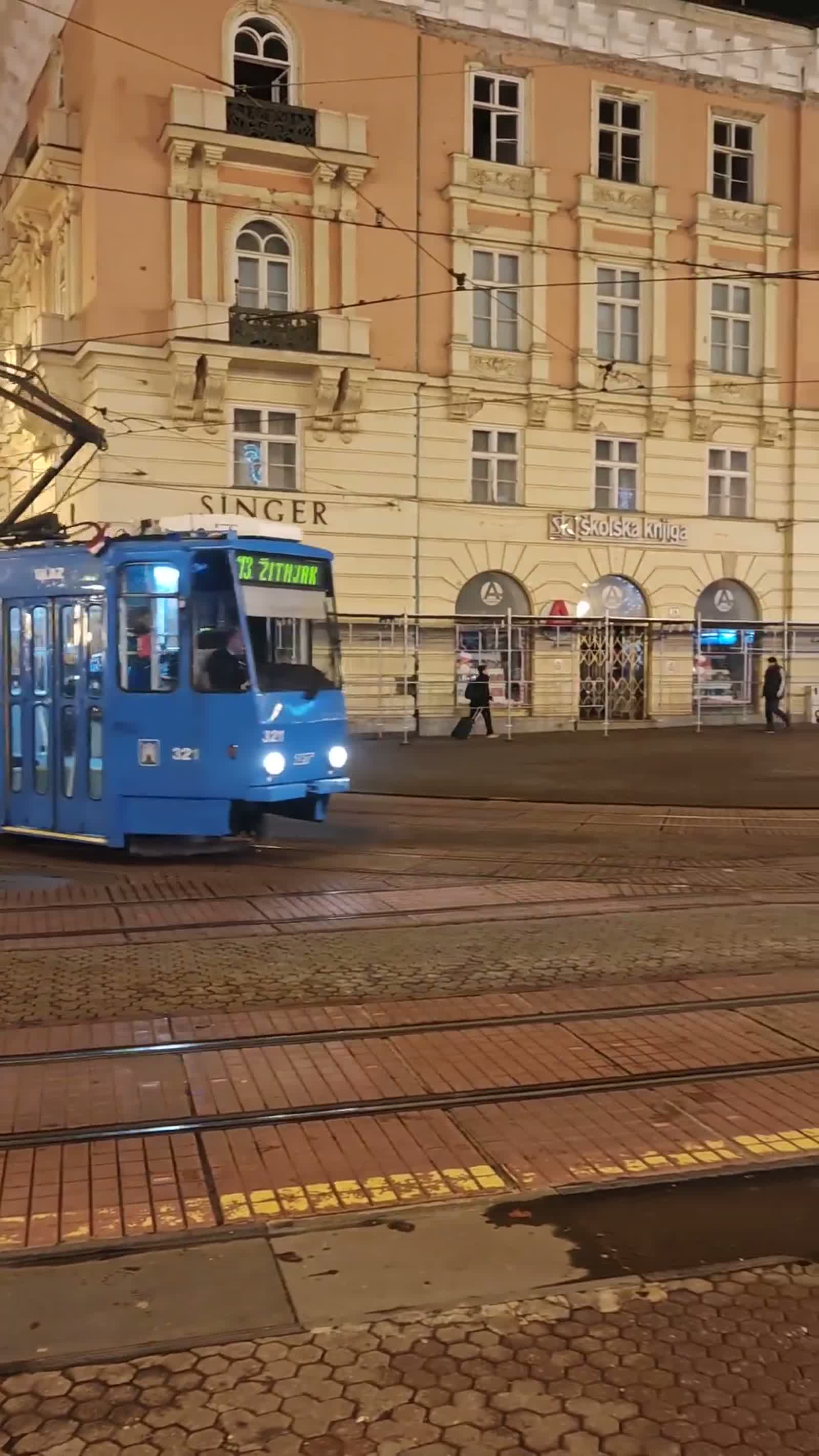
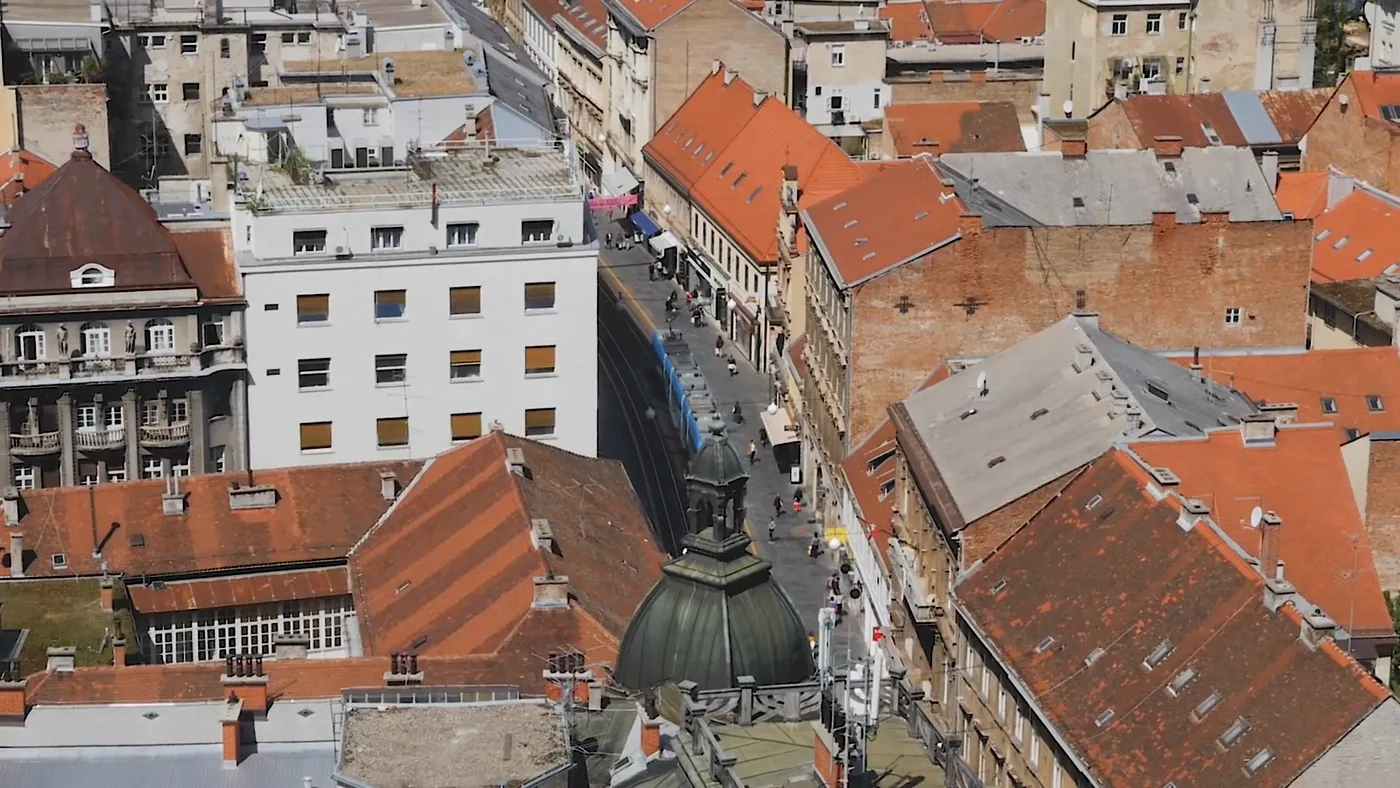
A blue tram on a Zagreb square
The line runs on

Into the 20th century

Nobel chemistry — and an antibiotic for the whole world.

1975
Zagreb

Vladimir Prelog — Sarajevo-born, trained and teaching in Zagreb — won the 1975 Nobel Prize in Chemistry for the stereochemistry of organic molecules.

He taught at the University of Zagreb and worked with the firm that would become PLIVA before joining ETH Zurich.

PrizeNobel, Chemistry · 1975

BornSarajevo · 1906

Taught in Zagreb1935–1941

Portrait of Vladimir Prelog A ball-and-stick molecular model
Vladimir Prelog · photograph ETH Zürich, Bildarchiv
1980
Zagreb

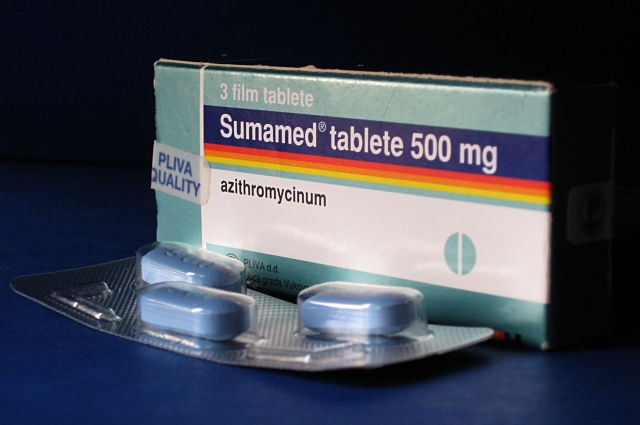
In Zagreb in 1980, PLIVA scientists discovered azithromycin — one of the world’s best-selling antibiotics, still used across the globe today.

It was discovered by a PLIVA team led by Dr. Slobodan Đokić, with Gabrijela Kobrehel, Gorjana Radobolja-Lazarevski and Zrinka Tamburašev.

Molecular structure of azithromycin A pack of Sumamed azithromycin tablets by PLIVA
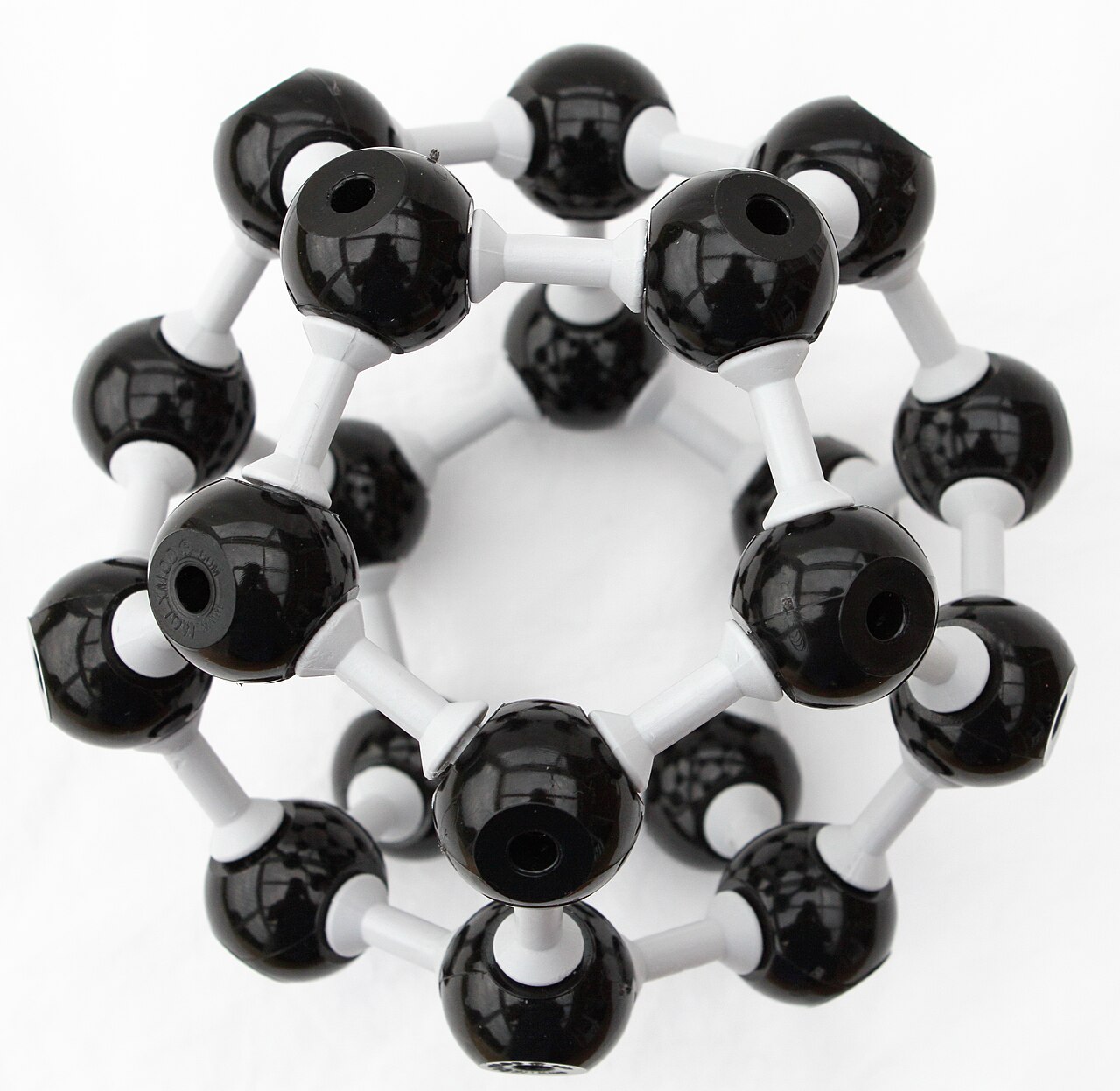
Azithromycin · molecular structure C₃₈H₇₂N₂O₁₂
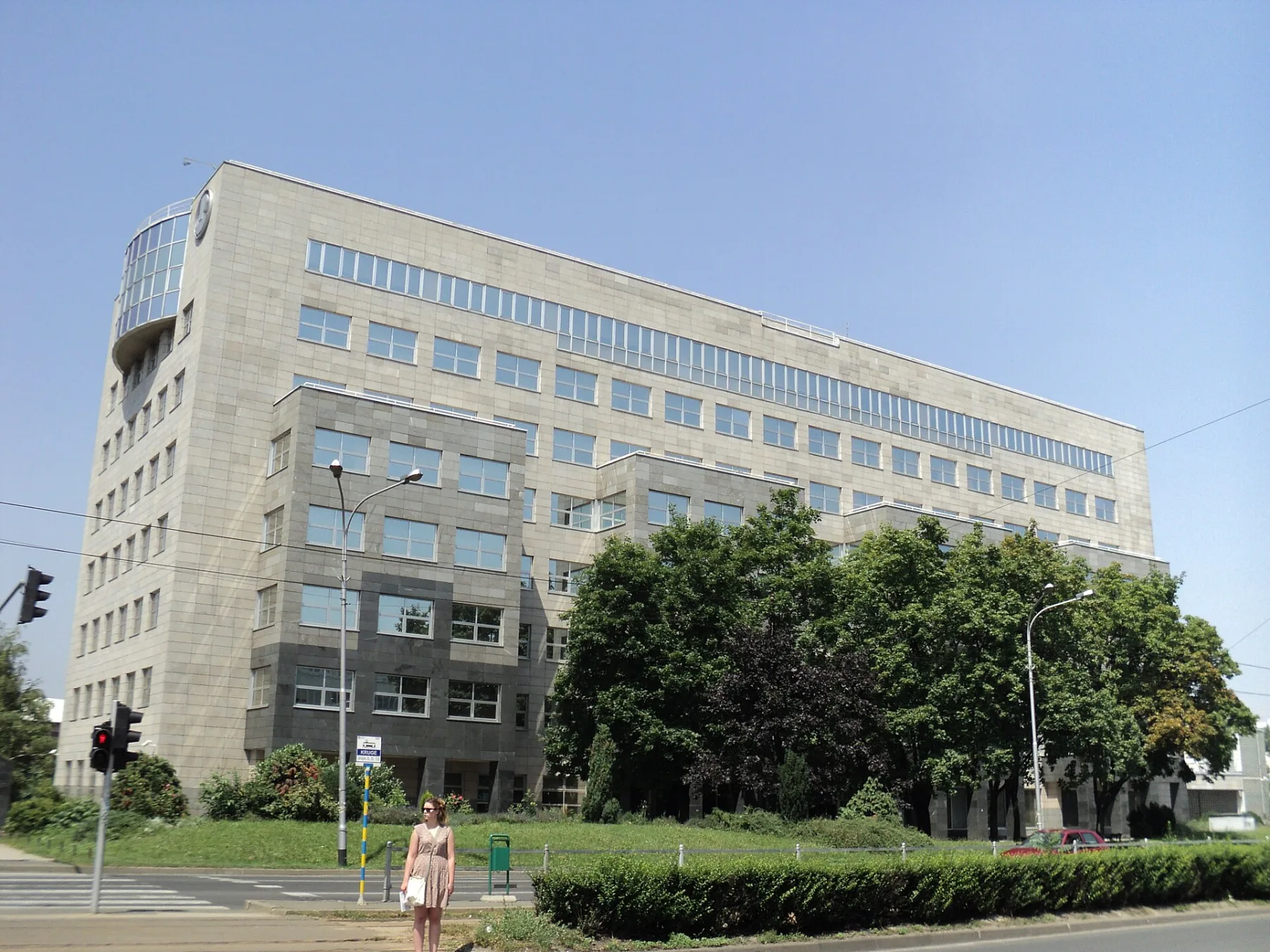
The PLIVA headquarters building in Zagreb
PLIVA · Zagreb where it was discovered

Patented1981

Licensed toPfizer

Sold asZithromax · Sumamed

1980s
Zagreb

A shorter rabies vaccination schedule developed in Zagreb, later recommended by the WHO.

Four doses across three visits instead of five, developed by Ivo Vodopija and colleagues, it protects people against rabies across the world.

Schedule2-1-1 · four doses, three visits

Developed byIvo Vodopija and colleagues

Adopted bythe World Health Organization

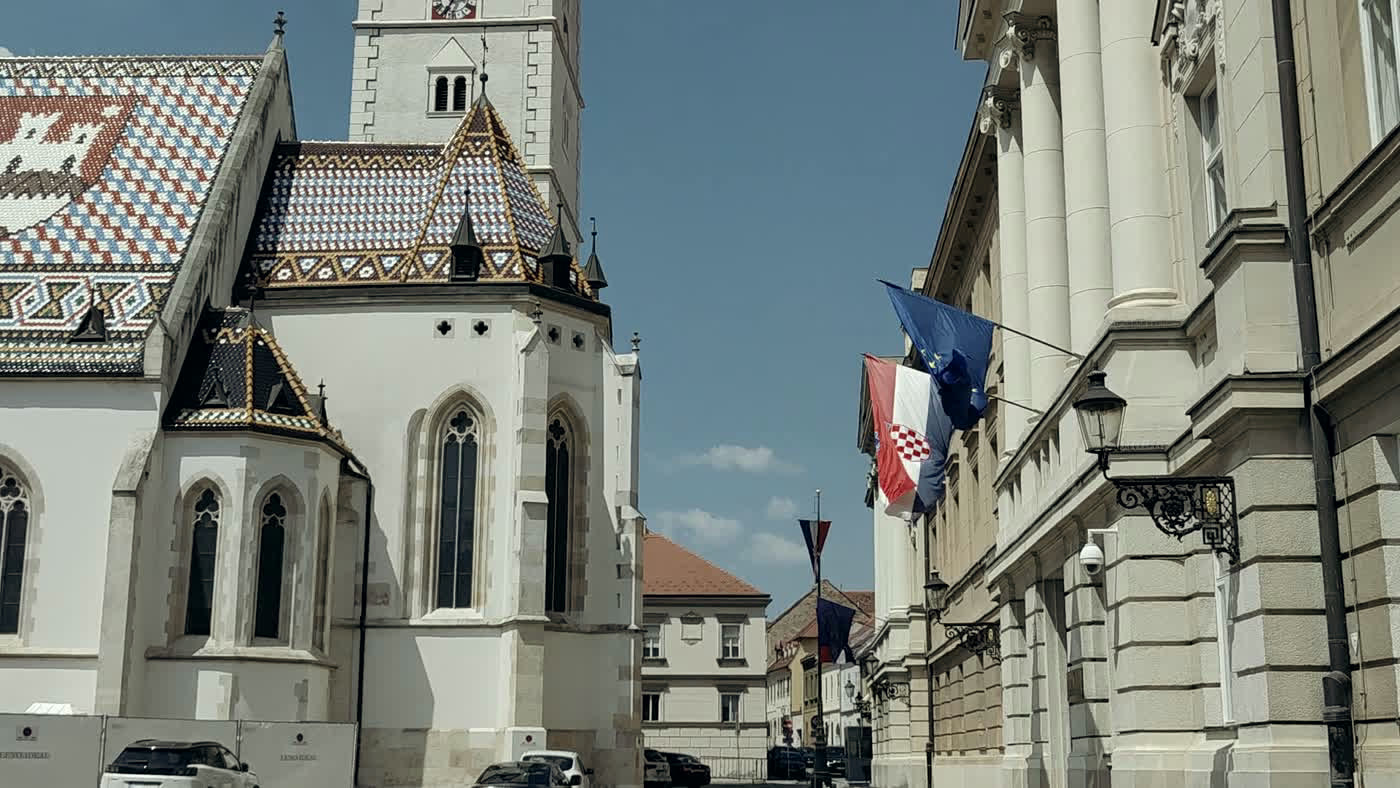
St Mark's Church, Zagreb, its roof bearing the Croatian coat of arms
The Zagreb regimen for rabies adopted by the WHO
Croatia

Still here.

Still growing. Still Croatia.

A small country that helped shape the world’s science and medicine.

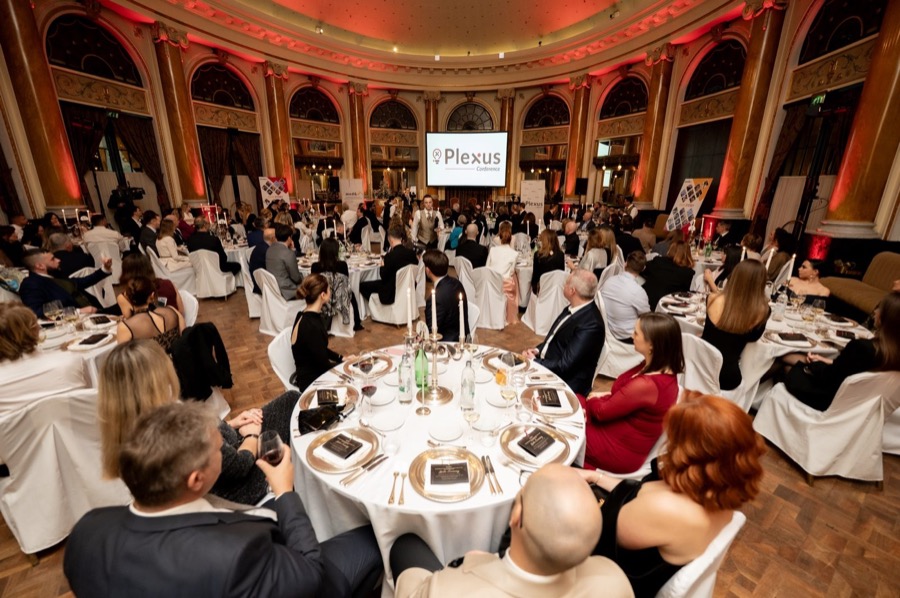
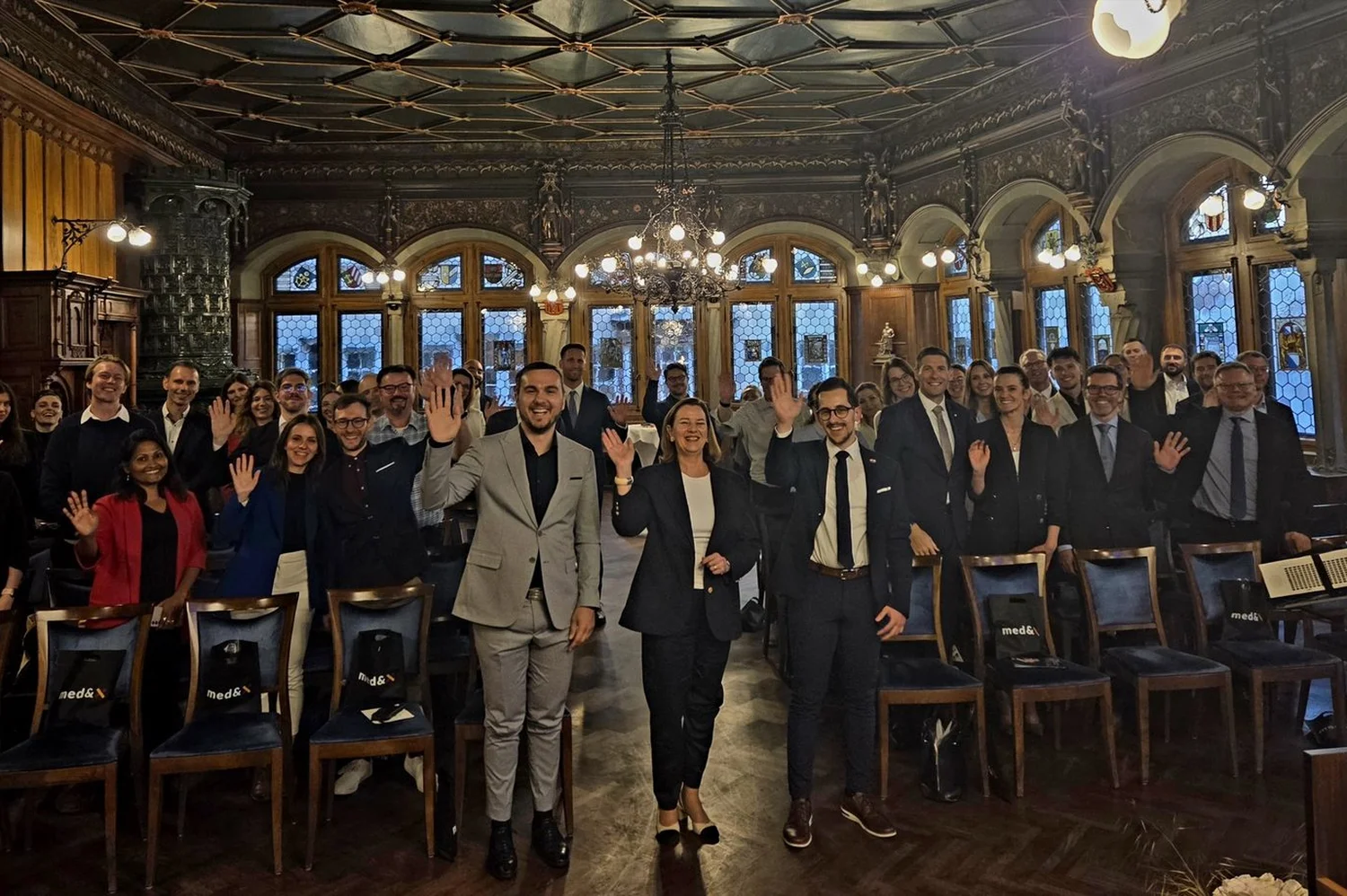
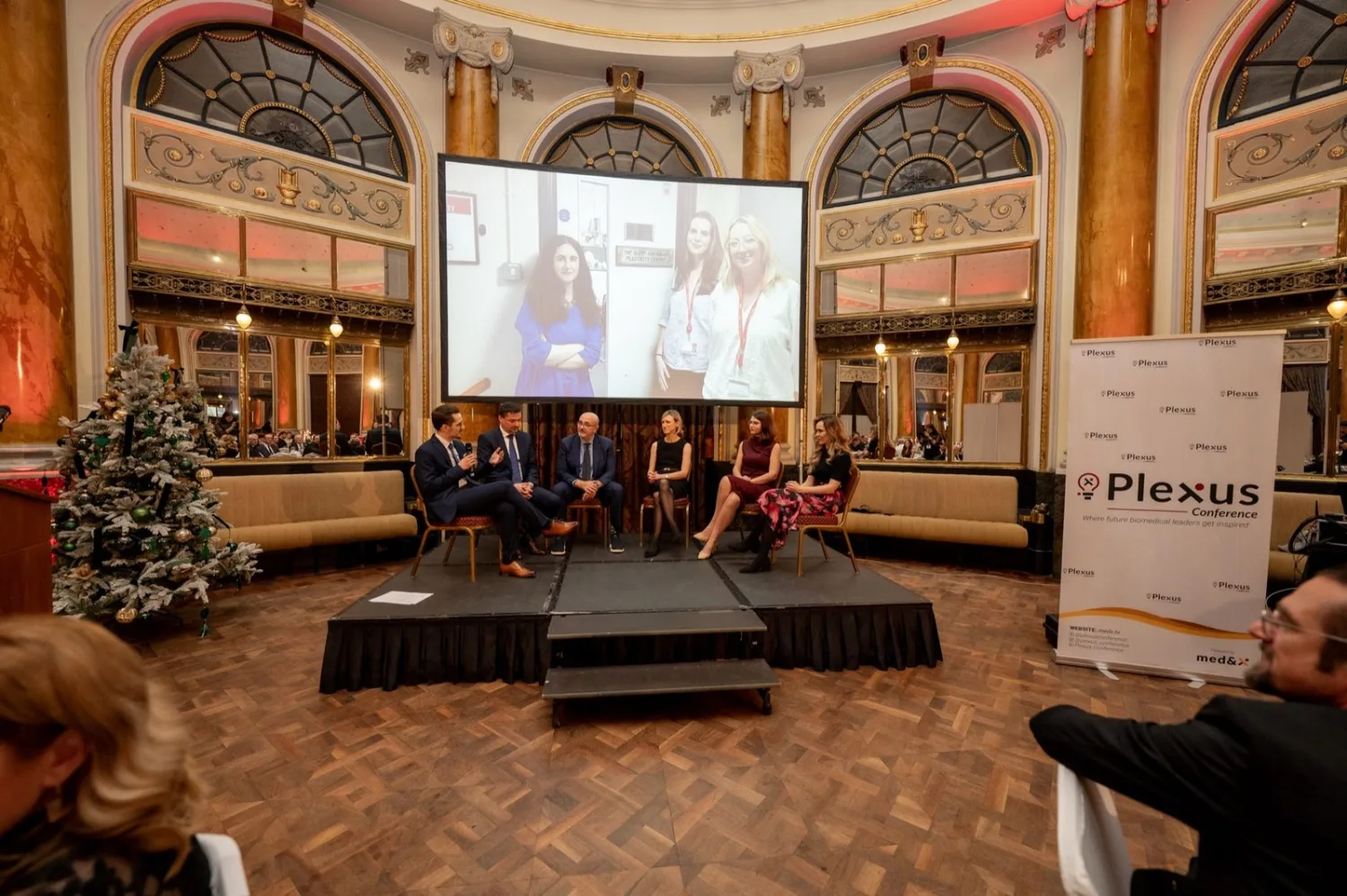
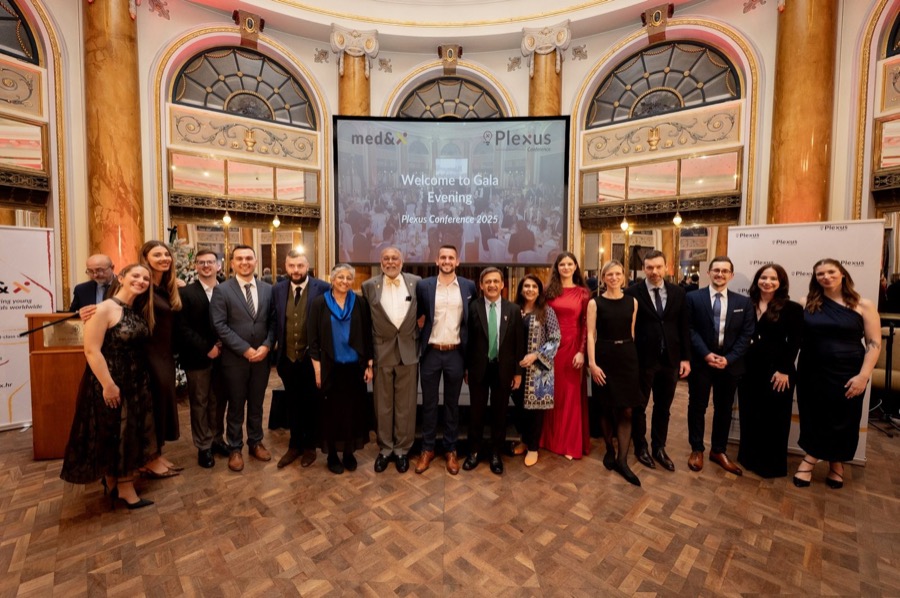
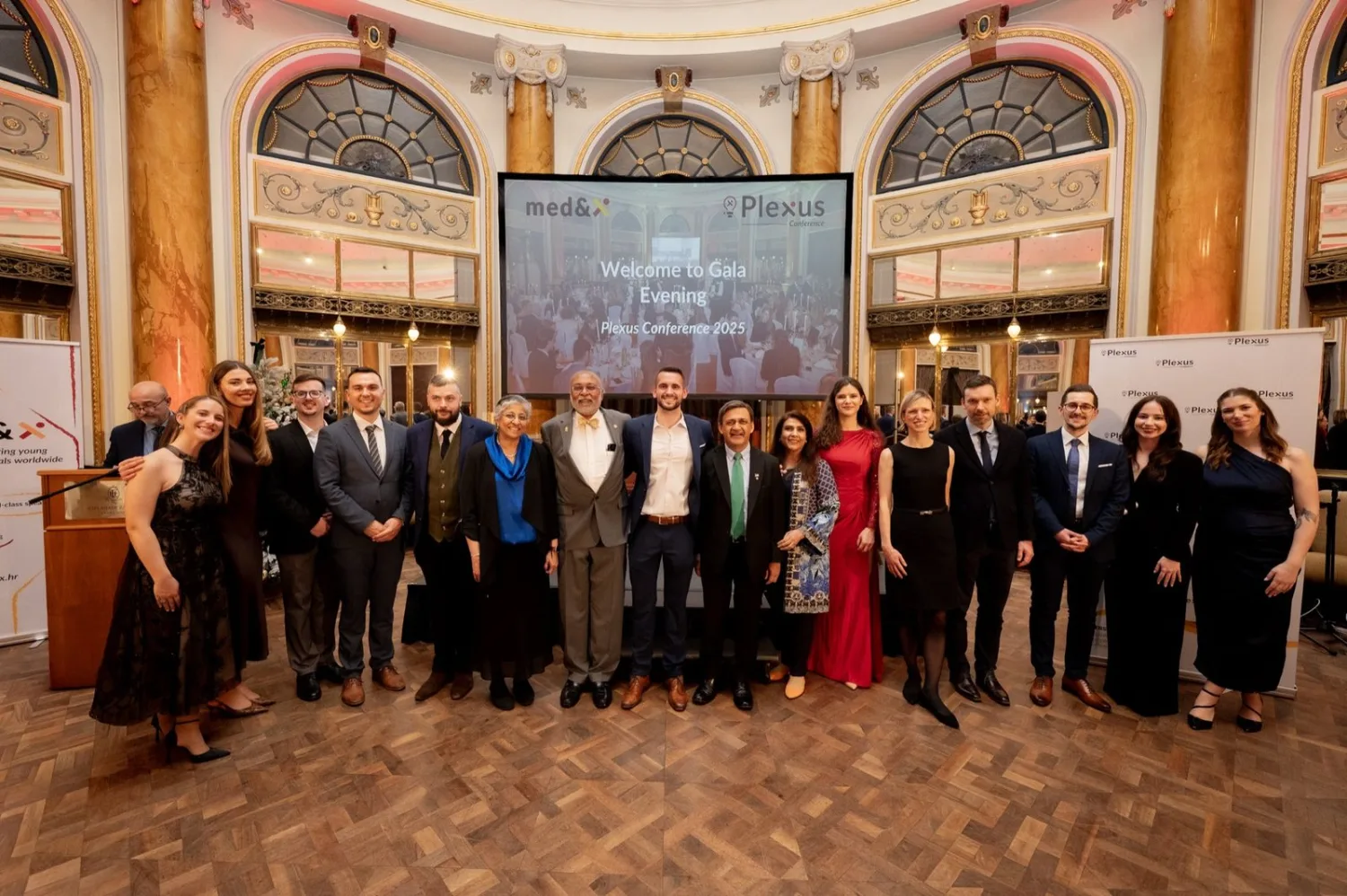
The Med&X community gathered at the Plexus Conference gala evening
Seven centuries, one thread

In the end, it is about the people.

Every date on this walk is a person who chose to build — and the ones still building today.

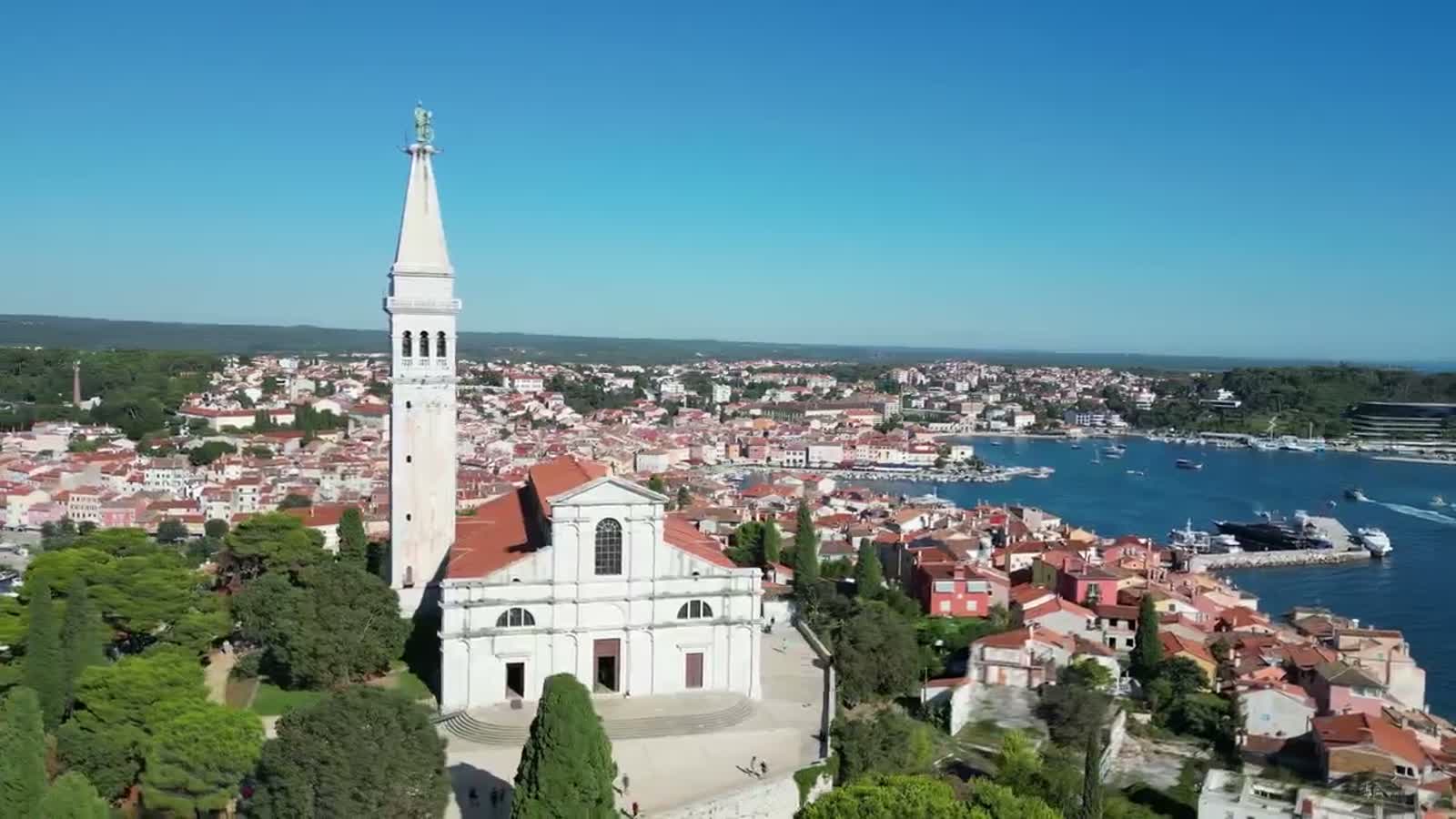
The old town of Rovinj on the Adriatic
The line runs on

Into the 21st century

The nation and its medicine, still growing together.

And the line reaches today

Croatian medicine now leads from everywhere

Trained in Croatia, at work across the world — Croatians shape science and medicine at some of the world’s great institutions today.

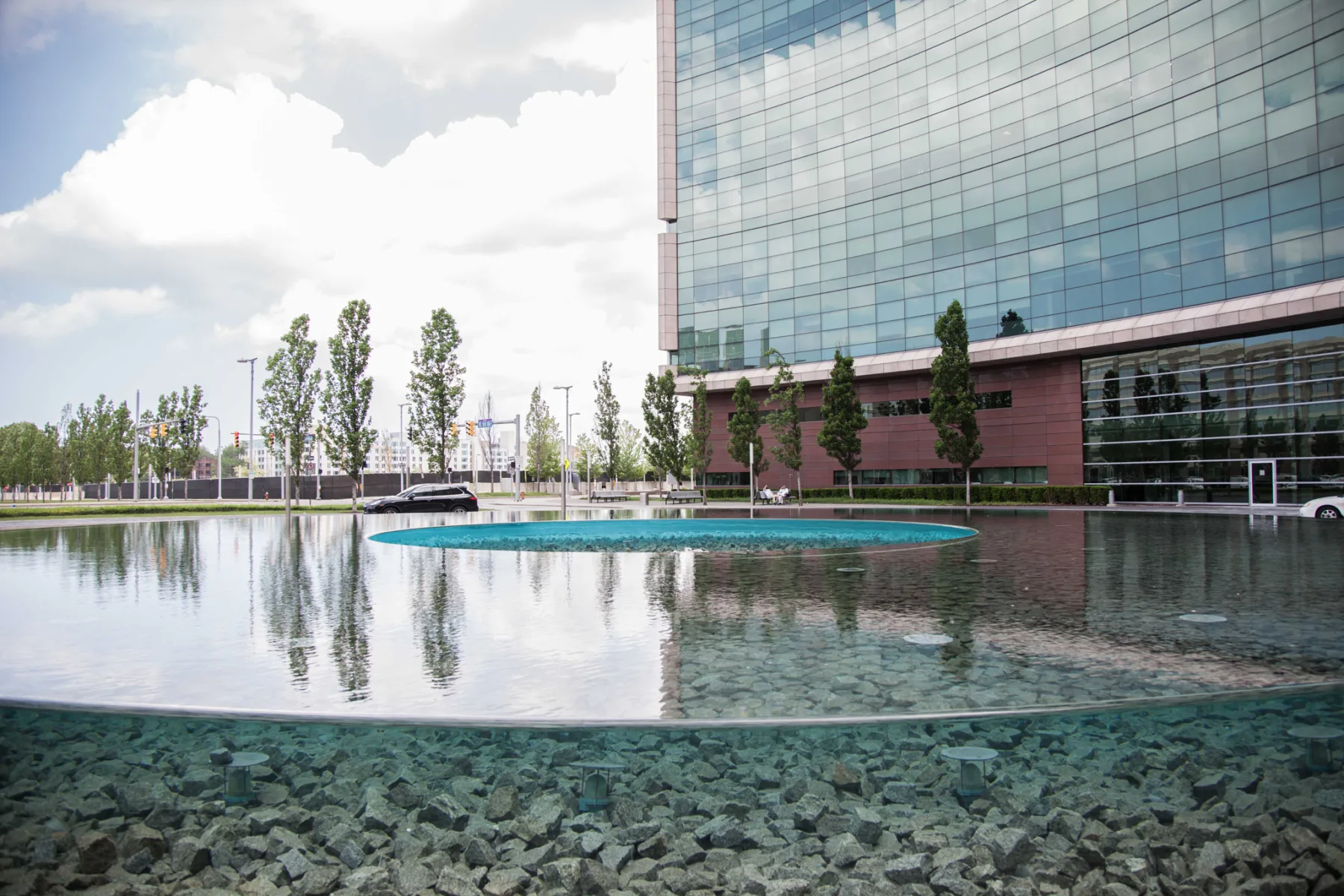
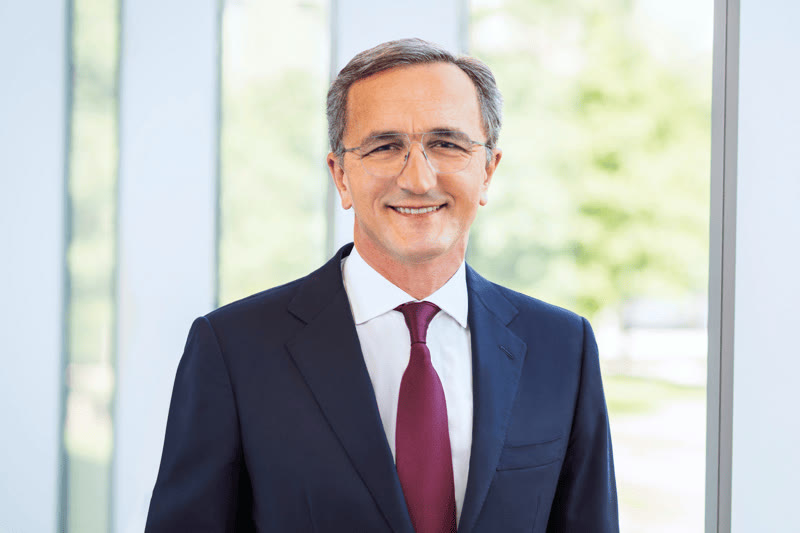
The modern Miller Family Pavilion at the Cleveland Clinic Tomislav Mihaljević
Cleveland · USA
Tomislav Mihaljević
President & CEO, Cleveland Clinic

Trained in medicine at the University of Zagreb, a cardiac surgeon who now directs one of the world’s largest academic health systems.

TrainedUniversity of Zagreb

LeadsCleveland Clinic, since 2018

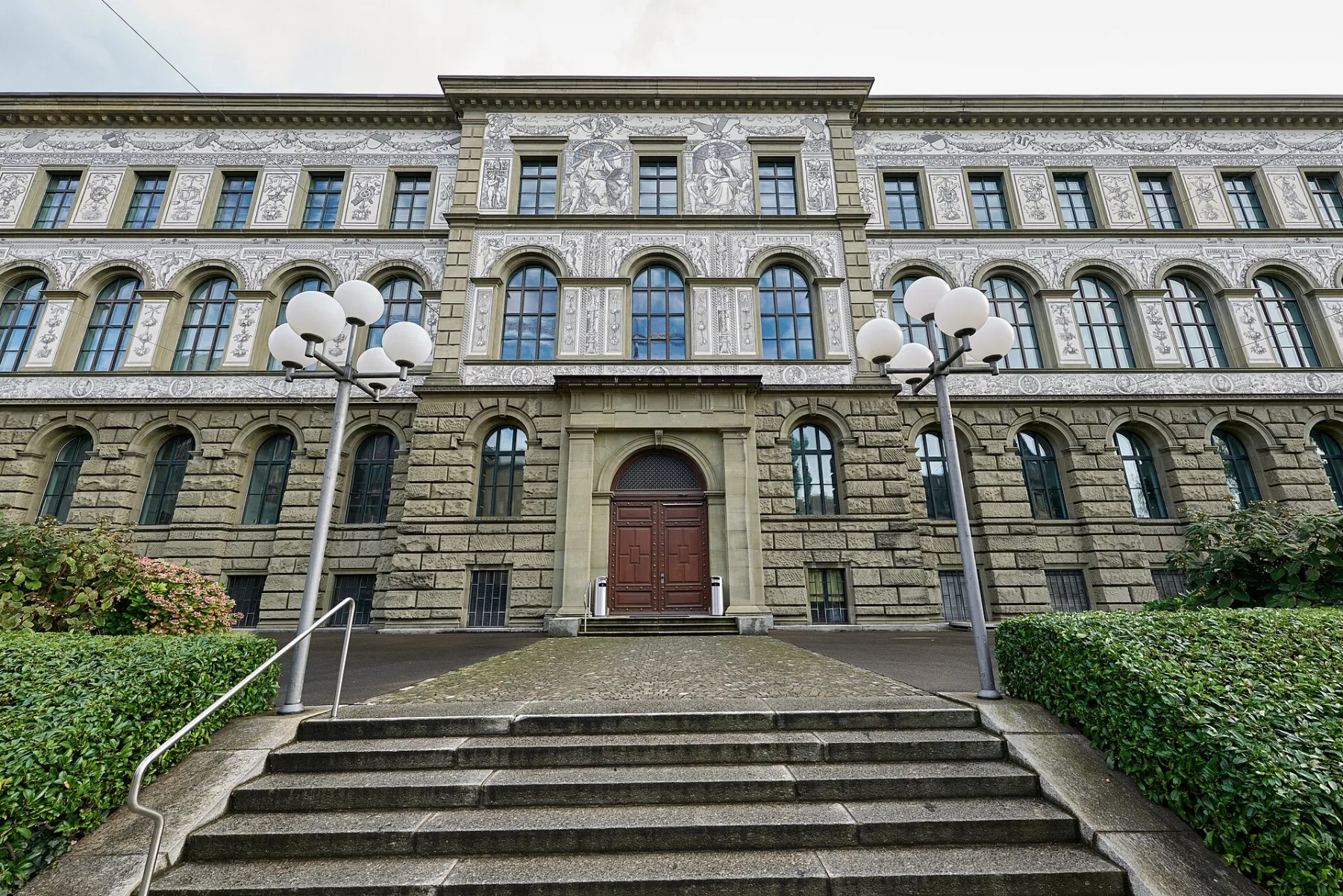
The main building of ETH Zürich Nenad Ban
Zürich · Switzerland
Nenad Ban
Structural biology, ETH Zürich

Zagreb-born and Zagreb-educated, he helped reveal the atomic structure of the ribosome — the cell’s protein factory.

ChairETH Zürich

MemberEMBO · the Leopoldina

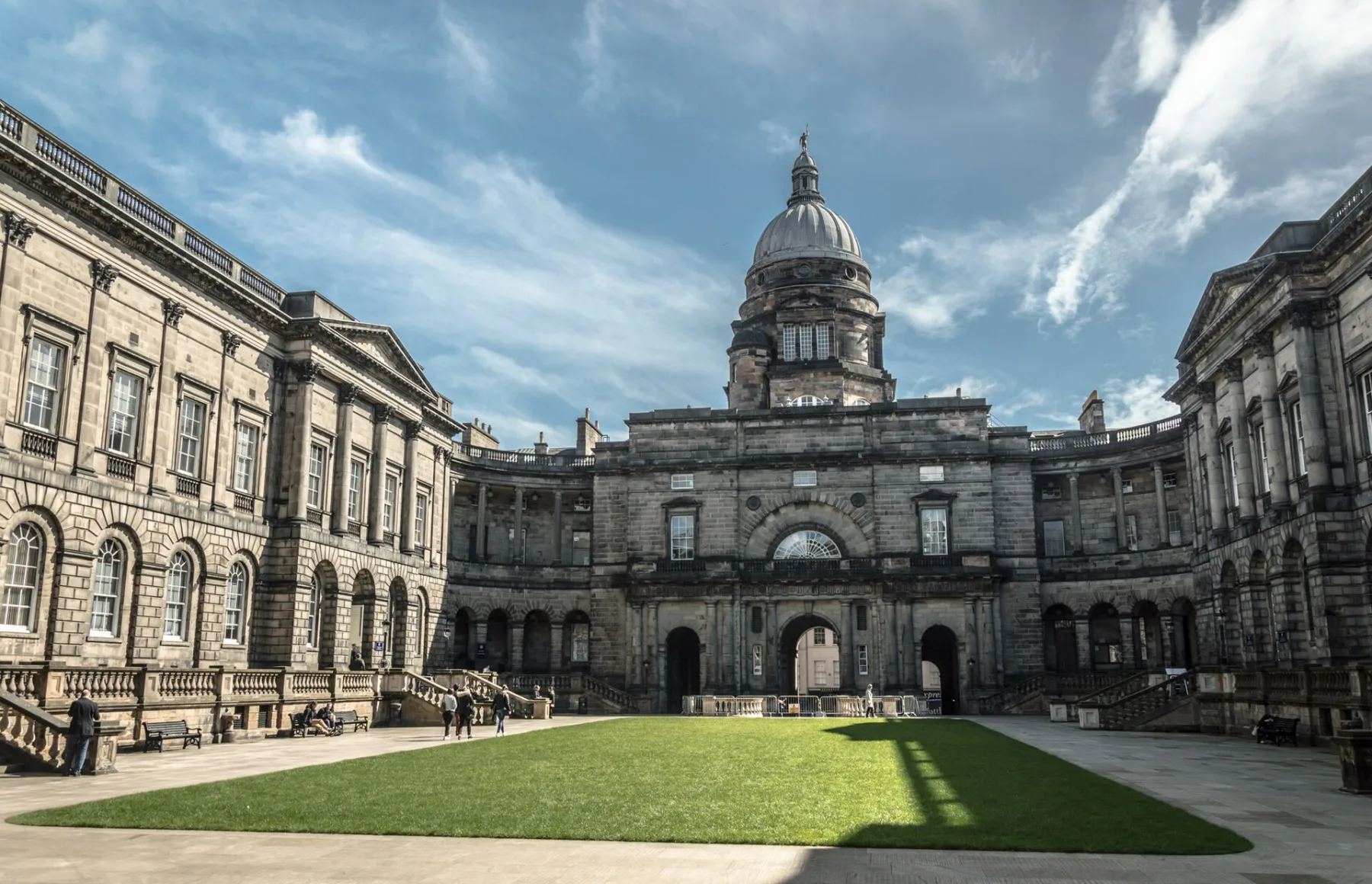
Old College, University of Edinburgh Igor Rudan
Edinburgh · UK
Igor Rudan
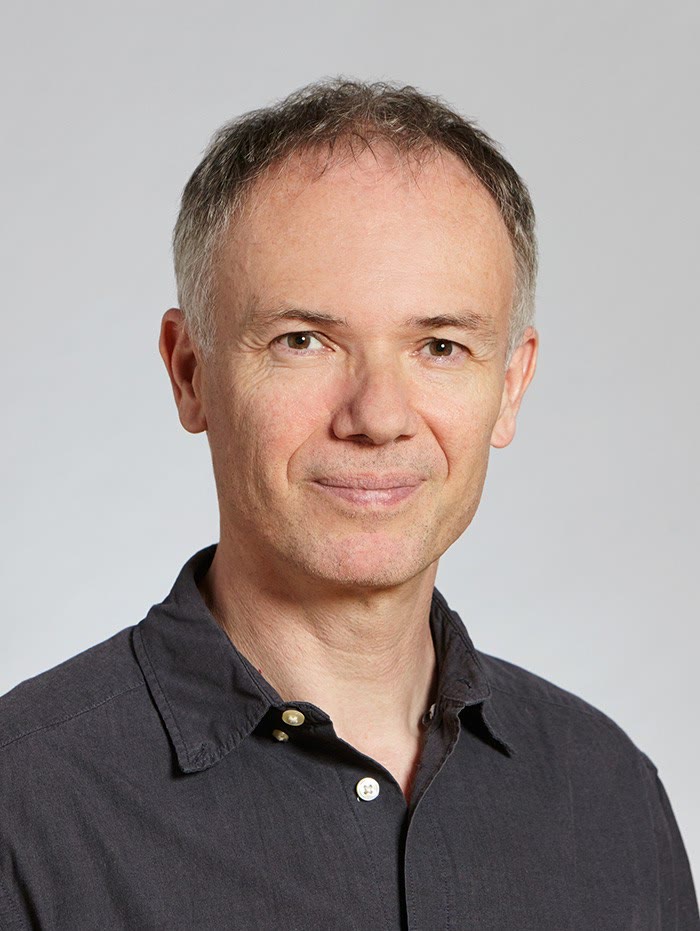
Global health, U. of Edinburgh

Zagreb-trained, he holds the Chair of International Health and Molecular Medicine and founded the Journal of Global Health.

ChairUniversity of Edinburgh

FoundedJournal of Global Health

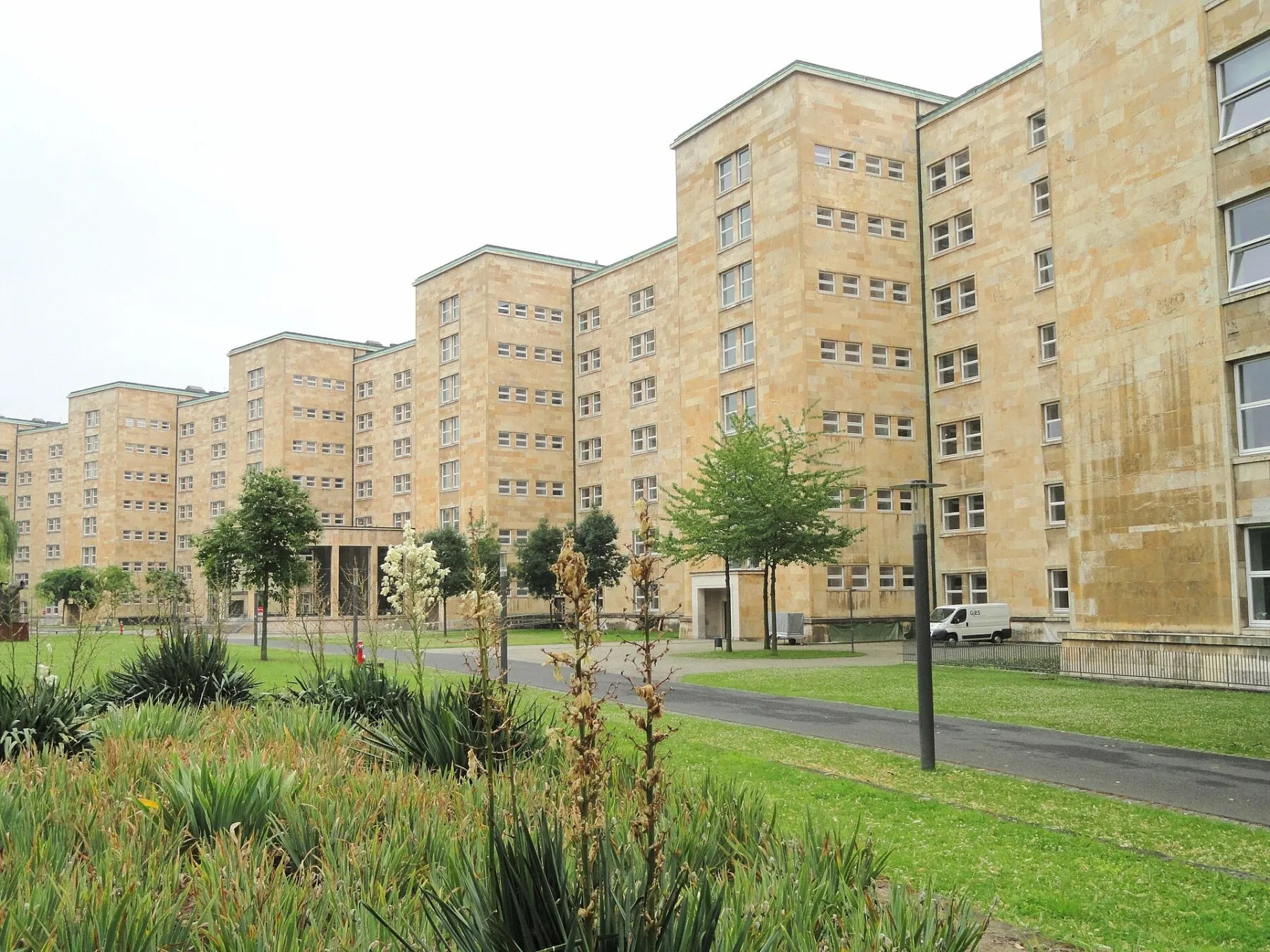
The IG Farben Building, Goethe University Frankfurt Ivan Đikić
Frankfurt · Germany
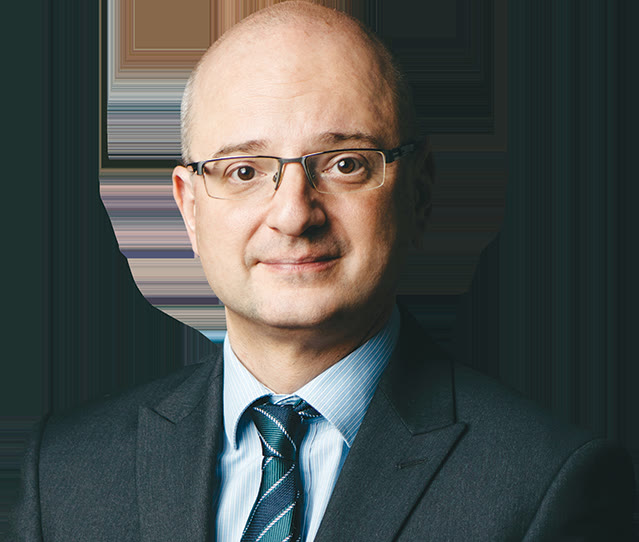
Ivan Đikić
Cell biology, Goethe University

Zagreb-born and Zagreb-trained, a world leader in ubiquitin cell biology — the signalling behind cancer and neurodegeneration.

DirectsInstitute of Biochemistry II, Frankfurt

HonoursLeibniz 2013 · Louis-Jeantet 2023

Igor Štagljar
Toronto · Canada
Igor Štagljar
Molecular biology, University of Toronto

Zagreb-born and Zagreb-trained, a professor at the University of Toronto who developed widely used methods for mapping how membrane proteins interact.

ChairUniversity of Toronto

Known formapping protein interactions

Ivica Kostović
Zagreb · Croatia
Ivica Kostović
Neuroscience, University of Zagreb

A leading Croatian neuroscientist and a founder of the Croatian Institute for Brain Research, known for his research on how the human brain develops.

FoundedCroatian Institute for Brain Research

MemberCroatian Academy of Sciences and Arts

The tradition, carried forward

And now this tradition meets world-leading medicine

Today Croatia is not only advancing science and medicine, but reaching outward — more ambitious than ever in connecting with the world’s leading institutions to learn, collaborate, and contribute at a far greater scale. Med&X builds those connections, in several ways.

01The flagship

Plexus Conference

The flagship gathering — where Nobel laureates and the world’s leading minds come to Croatia, and a new generation meets them face to face.

So far11 Nobel laureates · 2,500+ participants

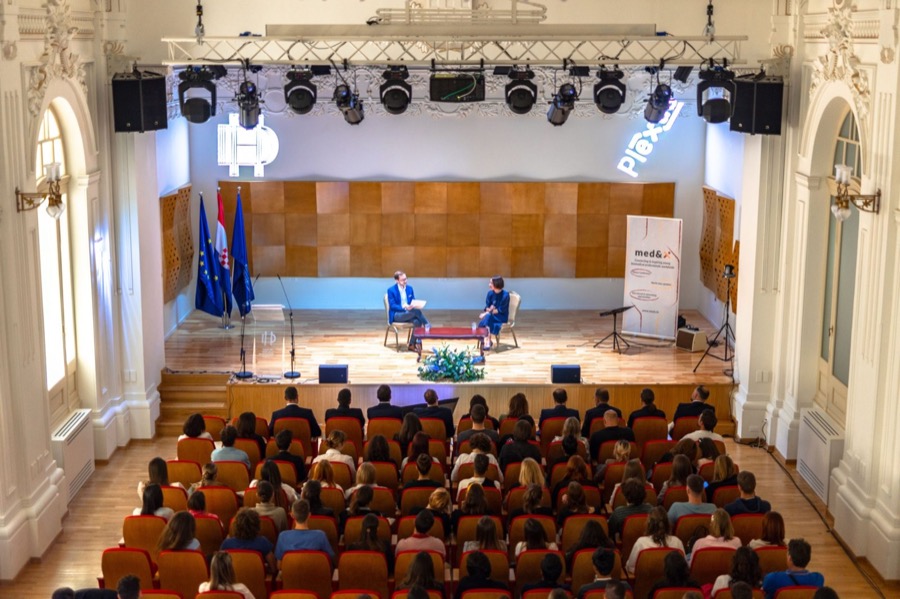
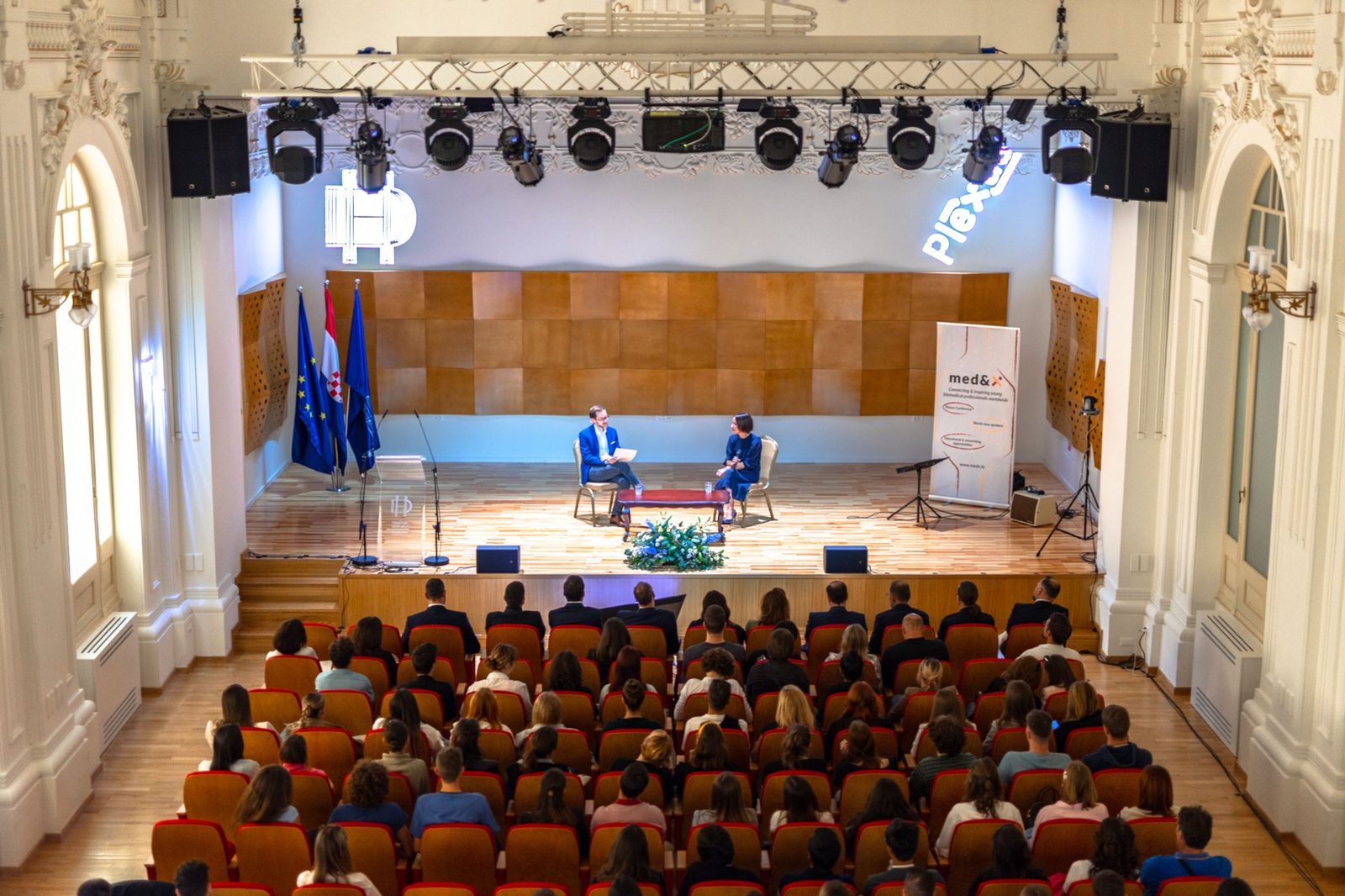
A Med&X Plexus Conference in session
The flagship the stage

02The network
Biomedical Forum

Uniting Croatian physicians and scientists from across the world — the diaspora and those at home — to collaborate as one community.

Goalone connected Croatian biomedical community

Physicians and scientists in session at a Med&X Plexus forum
The network the network
03The next generation

Med&X Accelerator

Sending Croatia’s most talented young generation to learn everything they can at the world’s best institutions — then bring it home.

Goalyoung talent trained at the world’s best

Young doctors and students at a Med&X Accelerator gathering
The next generation the next generation
04The bridge

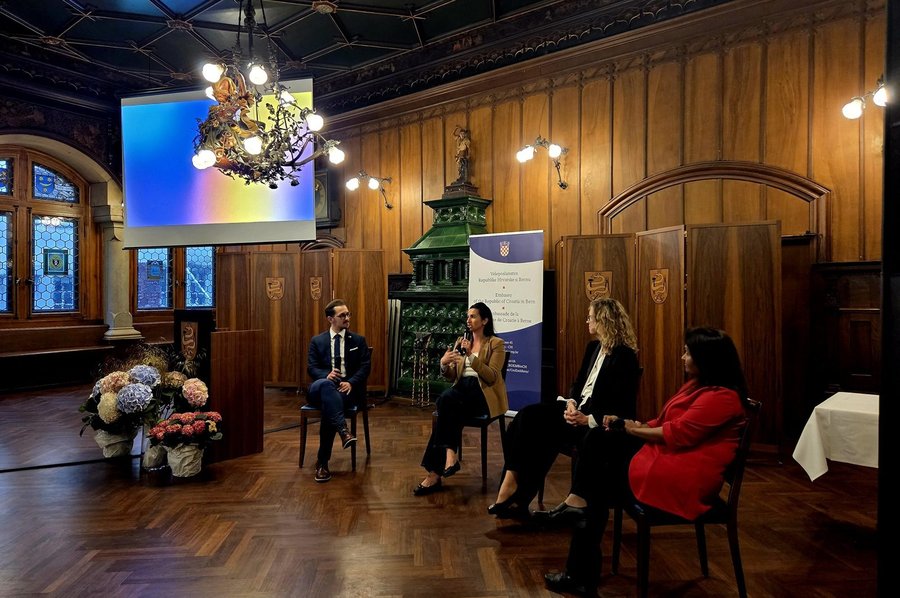
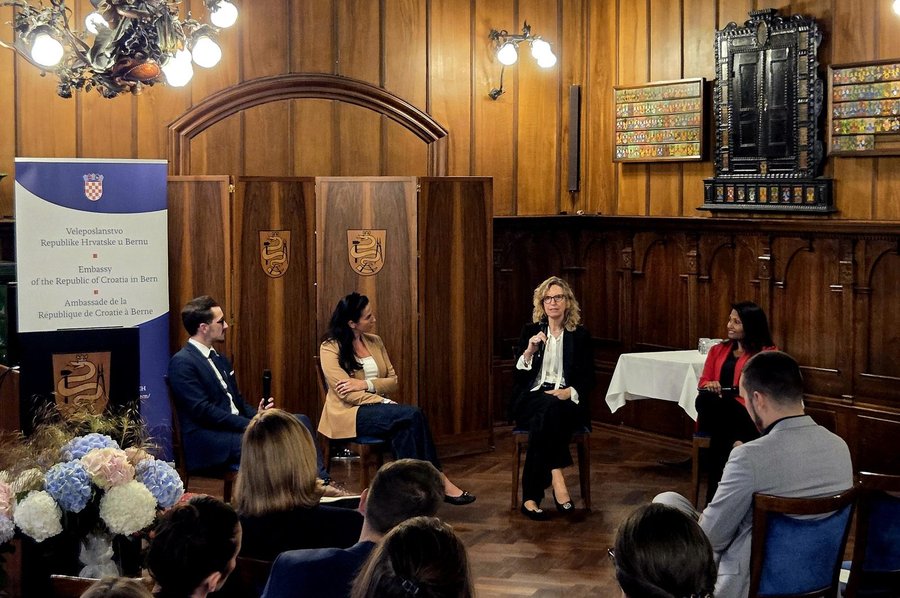
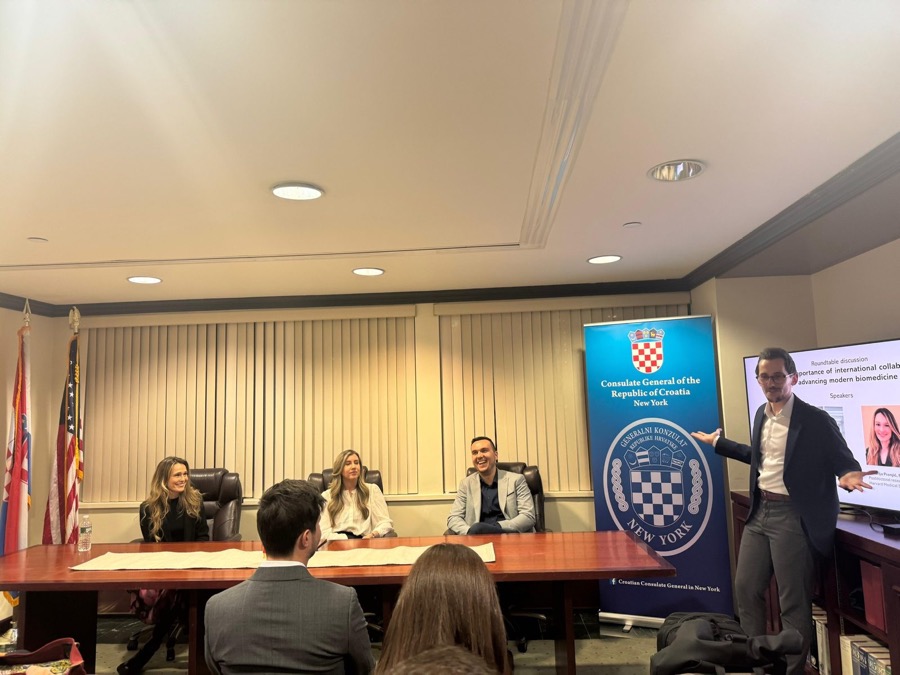
Building Bridges in Biomedicine

Working through embassies and diplomacy to connect leading international physician-scientists with their Croatian counterparts.

Goalinternational partnerships, opened diplomatically

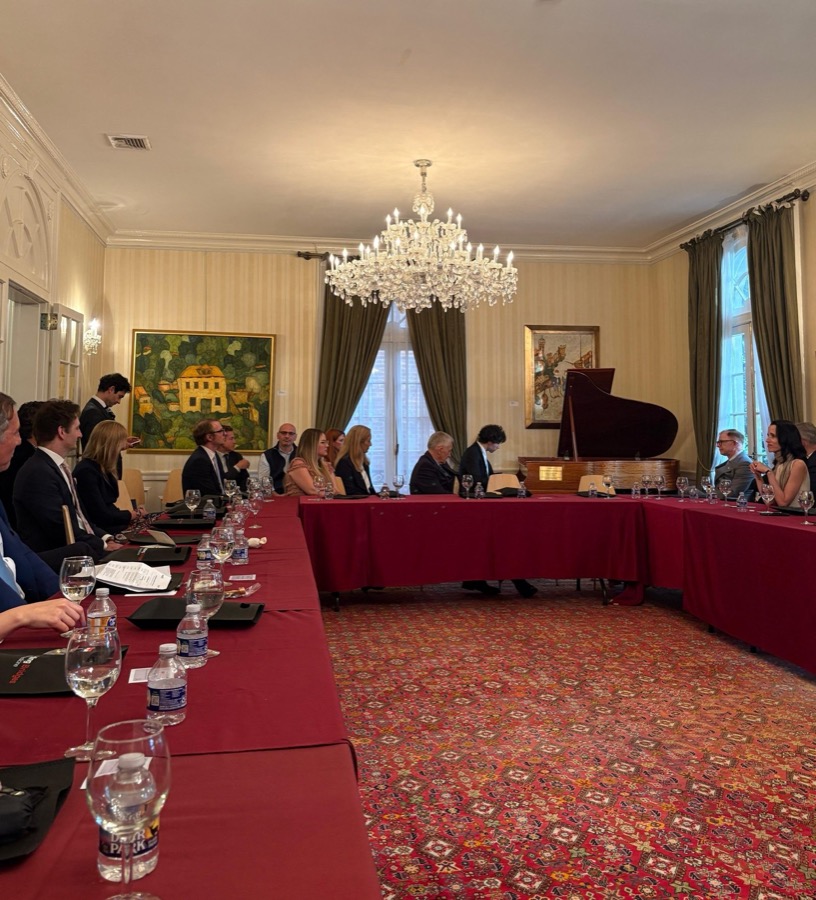
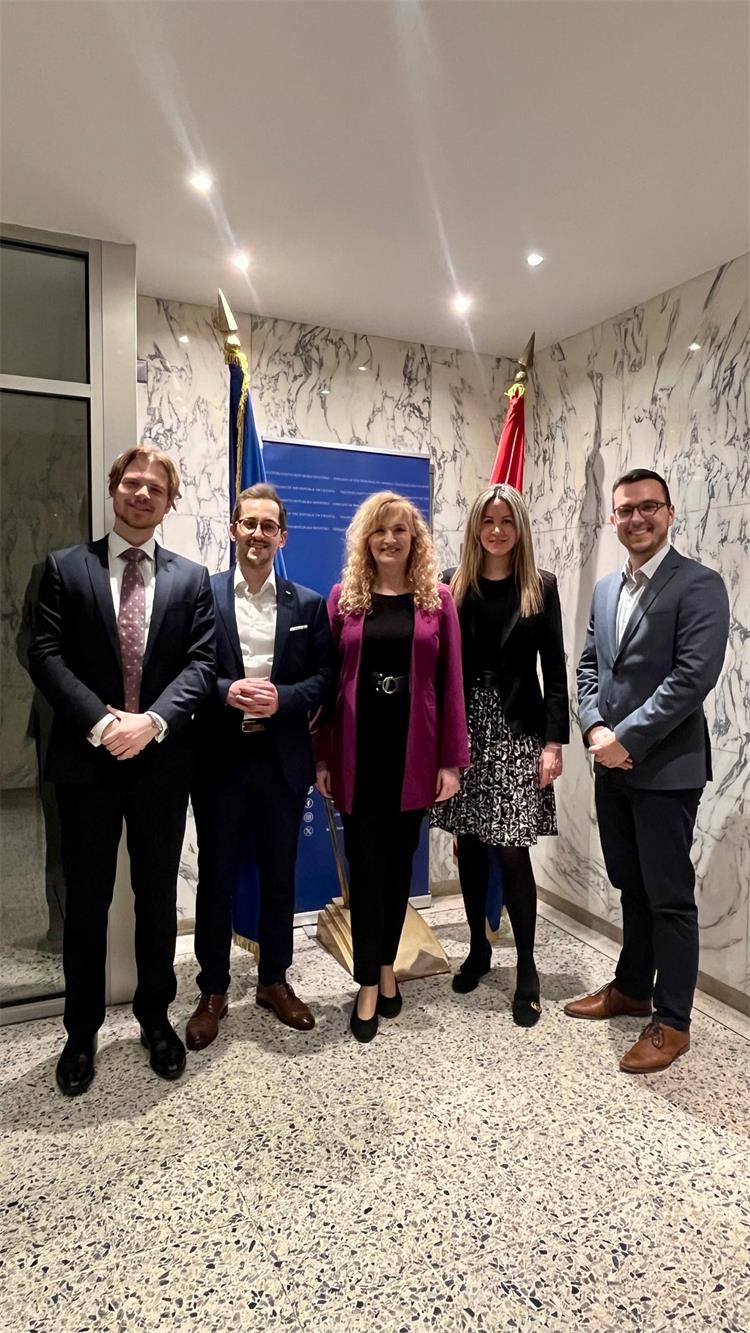
A Med&X Building Bridges in Biomedicine gathering
The bridge the bridge
Plexus · the gala evening

The Plexus Gala

The gala evening of the Plexus Conference — gathering the world’s medical and scientific leaders to see Croatian science and medicine in person, more than 150 guests each year.

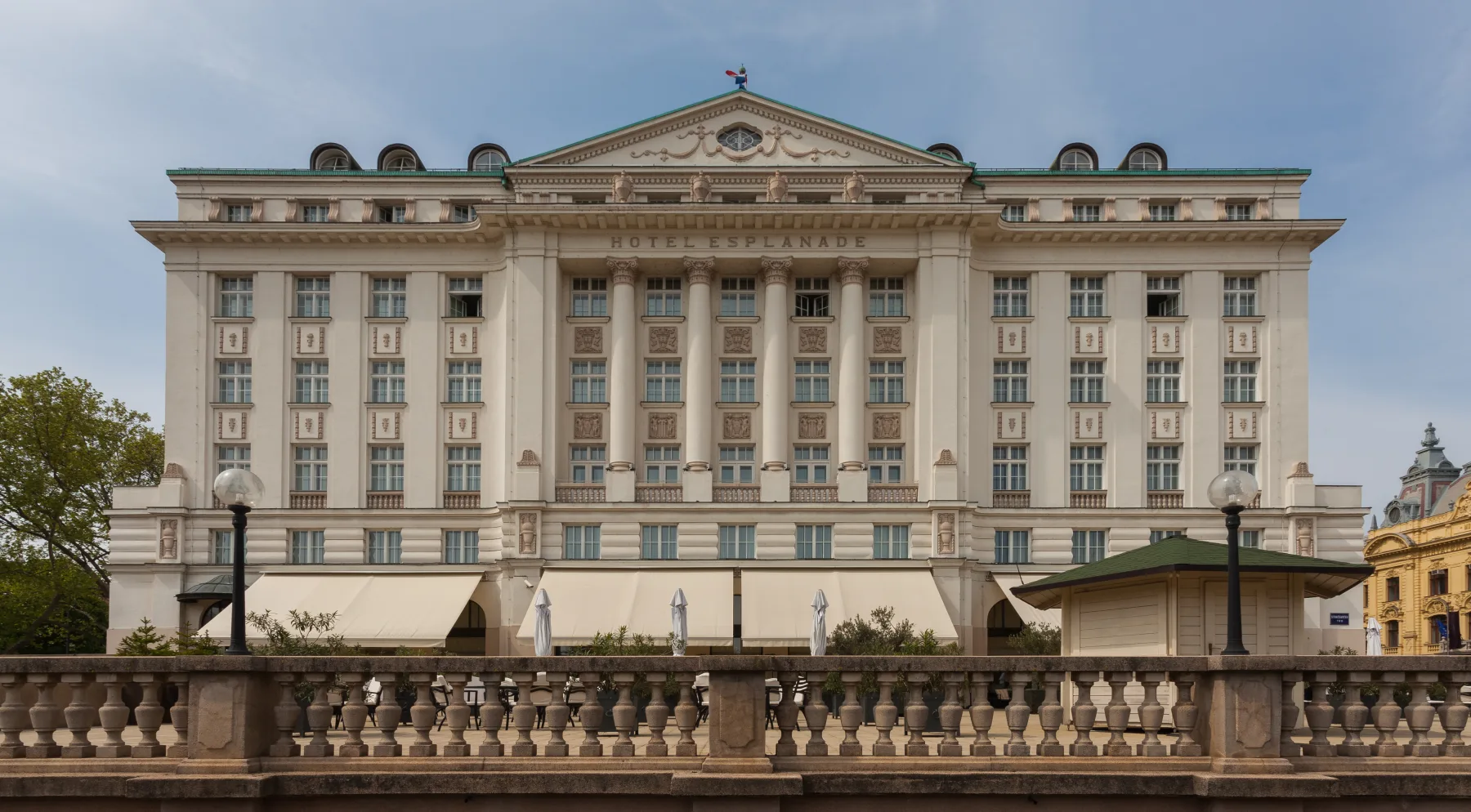
This yearHotel Esplanade, Zagreb · 5 Dec 2026

Guests gathered at the Med&X Plexus Gala
Plexus · the gala evening the finale
Through the door
These four projects meet in one room — and the walk arrives at today.
And now, the door opens
by Med&X

The Plexus Gala

To connect world-leading medicine and Croatian medicine, and to collaborate on shaping the future of medicine.

Hotel Esplanade · Zagreb
The Art Deco facade of Hotel Esplanade, Zagreb
Hotel Esplanade · Zagreb opened 1925 · the Orient-Express palace
You are invited
Register for the Plexus Gala
5 December 2026Hotel Esplanade, Zagreb
Register
Scan to visit medx.hrScan to register at medx.hr
Med&X · Croatia in the story of medicine

The line goes on.

Croatia in the story of science and medicine

QR code linking to medx.hr Visit medx.hr
QR code linking to medx.hr/donate Support the work medx.hr/donate

Keep scrolling — the line continues.